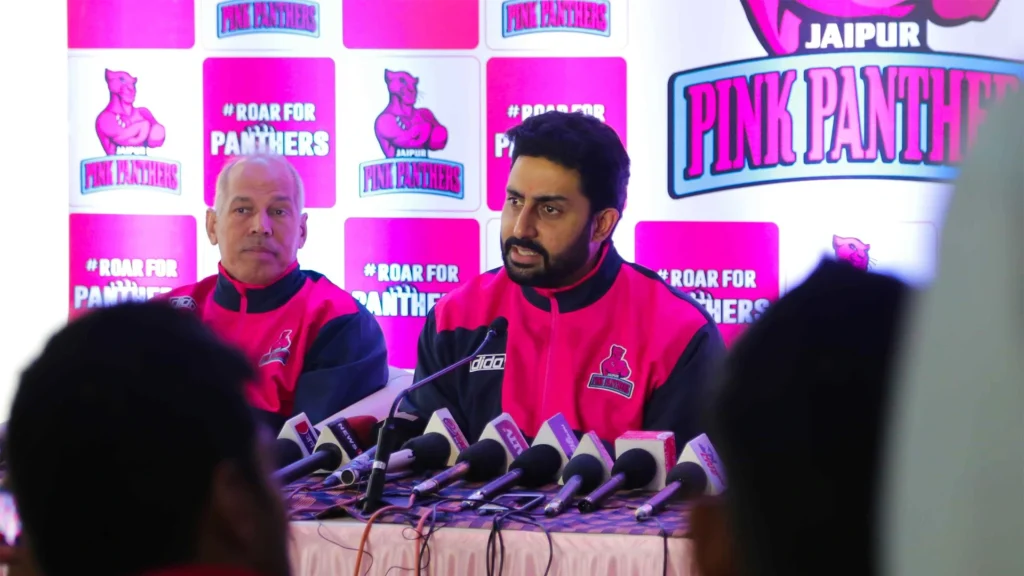
Preity Zinta at IPL match as Punjab Kings co-owner watching her team, representing her ₹35 crore investment that grew to ₹350 crore stake

How Preity Zinta Turned ₹35 Crore IPL Investment Into ₹350 Crore

Most Bollywood celebrities stick to brand endorsements and event appearances. Show up at an IPL match, wave to cameras, collect a cheque, done. But when Preity Zinta decided to get into sports in 2008, she didn’t want to just endorse an IPL team. She wanted to own one. Not as a minority investor hiding in the background, but as a visible, passionate co-owner willing to put her money and reputation on the line.

What seemed like a risky ₹35 crore bet in 2008, when IPL was an untested concept and many thought it would fail, has transformed into a ₹350+ crore stake in Punjab Kings (formerly Kings XI Punjab), one of the original IPL franchises. The team’s overall brand value hit $141 million (approximately ₹1,180 crore) in 2025, recording a staggering 39.6% growth, the highest among all IPL teams. Preity became the first female celebrity owner in IPL history, proving that Bollywood brains can deliver big returns in the boardroom.

The 2025 season marked a turning point for Punjab Kings. After 11 years of playoff drought, the team reached the IPL finals under new captain Shreyas Iyer, finishing as runners-up against Royal Challengers Bengaluru. While losing the trophy hurt, the business impact was spectacular. The deep playoff run, combined with viral marketing campaigns like “Sarpanch Sahab” celebrating Iyer’s leadership, catapulted Punjab Kings’ brand value by nearly 40% in a single year. For Preity, who holds 23% ownership, that growth translated directly into her stake appreciation from approximately ₹270 crore to ₹350+ crore.

What Makes Punjab Kings Different from Other IPL Franchises?

Walk into any Punjab Kings match and you immediately notice something different about the atmosphere. The franchise has built its identity around regional pride, cultural authenticity, and emotional fan engagement rather than just star power or championship pedigree. Unlike Mumbai Indians or Chennai Super Kings who can rely on multiple title wins to drive brand value, Punjab Kings had to build differently.

Regional Identity as Business Strategy

The 2021 rebrand from “Kings XI Punjab” to “Punjab Kings” wasn’t just cosmetic. It was a calculated business move to tap into regional pride across Punjab, Haryana, Himachal Pradesh, and the massive global Punjabi diaspora in Canada, UK, USA, and Australia. The shift from team-centric “Kings XI” to legacy-centric “Punjab Kings” resonated deeply with fans who saw the franchise as representing their cultural identity, not just a cricket team.

This regional positioning creates fierce loyalty that translates into consistent ticket sales, merchandise purchases, and social media engagement regardless of on-field performance. Even in seasons when Punjab Kings finished near the bottom of the points table, their fanbase remained engaged, ensuring stable revenue streams.

Visible Owner Involvement

Unlike many franchise owners who operate from boardrooms, Preity Zinta made herself the visible face of Punjab Kings. Her presence at matches, cheering from the owner’s box, participating actively in player auctions, and engaging with fans on social media created personal connections that pure corporate ownership cannot replicate. This celebrity visibility generates free publicity worth crores every season.

When Preity gets emotional after close losses or celebrates wildly after big wins, that authenticity resonates with fans. They’re not just supporting a corporate franchise, they’re supporting Preity’s team. This emotional investment creates brand loyalty that survives poor seasons and drives long-term value appreciation.

Strategic Leadership Changes

The appointment of Ricky Ponting as head coach in 2025, combined with acquiring Shreyas Iyer for ₹26.75 crore (second-highest IPL auction price ever), demonstrated Punjab Kings’ willingness to invest strategically in leadership. This wasn’t just about buying expensive players, it was about building a leadership structure that could compete with established franchises.

The “Sarpanch Sahab” campaign around Iyer, celebrating his captaincy through culturally rooted narratives, showed sophisticated brand building that goes beyond cricket. Punjab Kings positioned themselves as understanding Punjab’s cultural ethos, making brand partnerships and sponsorships more valuable because they reach emotionally invested audiences.

How Did Preity Zinta Get Into IPL Ownership?

The Punjab Kings story starts in early 2008, when the Board of Control for Cricket in India (BCCI) announced the revolutionary concept of franchise-based Twenty20 cricket. The IPL franchise auction happened on February 20, 2008, in Mumbai, with eight city-based teams up for bidding. Most established sports teams and entertainment properties were skeptical. Twenty20 was considered entertainment, not serious cricket. Would Indian audiences actually pay to watch shortened matches featuring unknown foreign players alongside Indian stars?

While corporate giants approached IPL cautiously, Preity Zinta saw something different. She saw cricket’s entertainment potential, massive television audiences, and the opportunity to build something bigger than just a team. More importantly, she saw a chance to become a serious businesswoman, not just a Bollywood celebrity diversifying investments.

The ₹304 Crore Consortium

Preity partnered with three prominent businessmen to form KPH Dream Cricket Private Limited, the entity that bought the Punjab franchise:

Mohit Burman (Dabur India Ltd) took 46% ownership Ness Wadia (Wadia Group, Bombay Dyeing) took 23% Preity Zinta took 23% Karan Paul (Apeejay Surrendra Group) took 8%

The consortium bid $76 million (approximately ₹304 crore at 2008 exchange rates) to acquire the franchise. Preity’s share came to approximately ₹35 crore, a massive investment for an actress whose typical film fees ranged from ₹3-5 crore per movie. This wasn’t pocket change or a casual investment. Preity was betting big on an unproven concept.

Industry insiders thought she was crazy. Cricket franchise ownership was untested globally. The Indian Cricket League (ICL), a rival Twenty20 league that launched before IPL, was struggling. Many predicted IPL would fold after one season. Spending ₹35 crore on something that might fail within two years seemed reckless for someone whose primary income came from acting.

The Personal Connection

The Punjab connection made sense for Preity. Born in Shimla, Himachal Pradesh, she grew up in North India and had strong emotional ties to the region. Owning Punjab’s team wasn’t just business, it was personal. This emotional connection proved crucial because IPL ownership demands time, energy, and public commitment that purely financial investors often aren’t willing to provide.

Additionally, Preity was dating Ness Wadia at the time, though they later separated in 2009. Despite their breakup, both maintained professional relationships as co-owners, demonstrating the seriousness with which they approached the business venture.

How Does Punjab Kings Actually Make Money?

Understanding Punjab Kings’ revenue model requires understanding IPL’s broader business structure. IPL operates on a revenue-sharing model where the BCCI controls central commercial rights and distributes revenue to franchises while also allowing teams to generate their own local income streams.

The Central Revenue Pool: The Foundation

The biggest revenue source for Punjab Kings, and all IPL franchises, comes from the central revenue pool managed by BCCI. This pool consists of:

Media Rights Revenue: The 2023-2027 IPL media rights were sold for ₹48,390 crore to Disney Star (TV rights) and Viacom18 (digital rights). Each franchise receives approximately 45% of the total revenue share. For Punjab Kings, this translates to roughly ₹350-450 crore per season from media rights alone.

This is guaranteed money, paid regardless of team performance. Whether Punjab Kings finish first or last in the league, they get their share of media rights revenue. This predictable income stream makes IPL franchises fundamentally profitable businesses, unlike most sports teams globally that depend heavily on performance-based revenues.

Central Sponsorship Share: IPL’s title sponsorship (currently Tata Group at ₹2,500 crore for five years) and associate sponsorships (₹1,485 crore annually) contribute to the central pool. BCCI distributes 5% of this revenue to franchises, adding another ₹20-30 crore per team annually.

Franchise-Specific Revenue Streams

Beyond the central pool, Punjab Kings generates income through multiple channels they control directly:

Jersey and Team Sponsorships: Punjab Kings sells multiple sponsorship categories including title sponsor, jersey sponsor, sleeve sponsor, helmet sponsor, and associate sponsors. Each partnership typically ranges from ₹5-20 crore annually depending on visibility and brand fit. Successful franchises like Mumbai Indians earn ₹150+ crore from sponsorships, while Punjab Kings likely generates ₹40-60 crore given their smaller but growing brand value.

The team jersey features approximately 6-8 brand logos (jersey front and back, sleeves, helmet, pants), with each placement sold separately. This makes players walking billboards, generating revenue with every match appearance and social media post.

Gate Revenue and Ticket Sales: Punjab Kings plays at least 7 home matches per season at the PCA Stadium in Mohali and occasionally at Dharamsala. Ticket prices range from ₹500 for general admission to ₹20,000+ for premium hospitality packages. With stadium capacity around 26,000 and strong regional fan support, home games generate ₹50-70 crore annually through ticket sales.

Unlike some revenue that must be shared with BCCI, ticket revenue for home games belongs entirely to the franchise after venue costs. This makes home advantage financially significant beyond just on-field benefits.

Merchandise Sales: Official Punjab Kings merchandise including jerseys (₹2,000-3,500), caps, training gear, and collectibles generates estimated ₹10-20 crore annually. While smaller than established franchises like Chennai Super Kings or Mumbai Indians who generate ₹30-50 crore from merchandise, Punjab Kings’ regional identity creates strong merchandise demand among Punjabi fans globally.

The 2025 finals appearance likely boosted merchandise sales significantly as demand spikes during playoff runs when fans want to show support.

Prize Money: Punjab Kings earned ₹12 crore as runners-up in IPL 2025. While prize money is split with players (league rules mandate 50% goes to the squad), the franchise’s share of ₹6 crore adds to annual revenue. In seasons where teams make playoffs but don’t reach finals, they still earn ₹6.5-7 crore depending on final placement.

Digital and Content Monetization: Punjab Kings operates active social media channels and YouTube content that generates revenue through advertising and brand partnerships. While exact figures aren’t disclosed, franchises with strong digital presence can generate ₹5-10 crore annually through content monetization, particularly in markets like Punjab where digital consumption is high.

International League Participation: Punjab Kings owns Saint Lucia Kings in the Caribbean Premier League (CPL), which won the CPL 2025 championship. This multi-league model creates content synergies, scouting advantages, and additional revenue streams. The shared sponsor ecosystems across leagues mean brands can negotiate multi-market deals, increasing overall sponsorship values for both franchises.

The Investment Journey: From ₹35 Crore to ₹350 Crore

Preity Zinta’s IPL investment journey demonstrates the power of patience and timing in sports business. The appreciation didn’t happen overnight, it built gradually as IPL’s brand value exploded.

2008-2013: The Foundation Years

The first five IPL seasons were about proving the concept worked. Punjab Kings performed well initially, reaching semifinals in the inaugural 2008 season and building a competitive squad. However, Preity’s investment wasn’t immediately profitable. Early IPL seasons generated modest revenues as broadcasters, sponsors, and audiences were still learning the league’s value.

In 2010, the BCCI temporarily terminated Punjab Kings’ franchise contract over alleged agreement violations, creating uncertainty. The franchise was reinstated, but the controversy demonstrated the risks involved in early-stage sports ownership.

During these years, Preity’s ₹35 crore investment was essentially locked capital generating modest returns through the central revenue pool. Team valuations were growing, but nowhere near the explosive appreciation that came later.

2014: The Finals Appearance

Punjab Kings reached the IPL final in 2014, losing to Kolkata Knight Riders after setting a formidable 200-run target. This deep playoff run significantly boosted the franchise’s brand value and proved they could compete with established powerhouses like Mumbai Indians and Chennai Super Kings.

The 2014 performance attracted better sponsorship deals and demonstrated that Punjab Kings could build competitive teams despite lacking championship pedigree. For Preity and other owners, this validated their investment and showed the franchise’s upside potential.

2017-2020: Valuation Acceleration

IPL’s media rights deals drove franchise valuations skyward. When Star India paid ₹16,347 crore for 2018-2022 broadcasting rights, it transformed IPL economics. Suddenly, franchises were guaranteed massive annual revenues regardless of performance.

By 2022, Punjab Kings was valued at $925 million (approximately ₹7,400 crore at prevailing exchange rates). Preity’s 23% stake, which cost ₹35 crore in 2008, was now worth roughly ₹1,700 crore on paper. However, these valuations were largely theoretical since no one was actually buying or selling franchises at these numbers.

2023-2025: The Explosive Growth

The 2023-2028 media rights deal, sold for ₹48,390 crore (nearly triple the previous contract), triggered another valuation surge. With guaranteed annual revenues exceeding ₹400 crore from central pool alone, IPL franchises became highly profitable businesses with predictable cash flows.

Punjab Kings’ brand value grew from $101 million in 2024 to $141 million in 2025, a 39.6% increase, the highest among all ten IPL teams. This growth was driven by:

The 2025 finals appearance ending 11-year playoff drought Shreyas Iyer’s ₹26.75 crore acquisition and charismatic leadership Viral “Sarpanch Sahab” marketing campaign Increased regional engagement across Punjab and diaspora Multi-league synergies with Saint Lucia Kings

Preity’s 23% stake in a franchise valued at approximately ₹1,180 crore (converting $141 million brand value, though business value is higher) is now worth approximately ₹270-350 crore depending on valuation methodology. From ₹35 crore to ₹350 crore in 17 years represents a 10x return, or roughly 14% compounded annual growth rate (CAGR).

Why the Value Appreciation Happened

Several factors drove Punjab Kings’ valuation from ₹304 crore total in 2008 to ₹1,180+ crore in 2025:

IPL’s transformation from untested experiment to world’s most valuable T20 league Explosive media rights growth as streaming platforms bid aggressively for cricket content Consistent revenue sharing ensuring all franchises remain profitable Brand building through regional identity and cultural positioning Sports franchises globally experiencing valuation premiums as billionaires seek trophy assets India’s economic growth expanding consumer markets and advertising revenues

For Preity, the timing was perfect. Getting in at IPL’s launch meant capturing all the upside as the league matured into a commercial powerhouse.

Who Actually Runs Punjab Kings Day-to-Day?

While Preity Zinta is Punjab Kings’ most visible owner, the franchise operates through professional management structures that separate celebrity ownership from operational execution.

The Ownership Structure

KPH Dream Cricket Private Limited owns Punjab Kings with the following ownership split:

Mohit Burman (46% stake): Chairman of Dabur India Ltd, one of India’s largest FMCG companies operating in 120+ countries. Burman is the primary financial backer and largest shareholder, providing strategic direction and corporate governance expertise. His FMCG background brings brand management and consumer marketing insights that benefit franchise operations.

Preity Zinta (23% stake): Bollywood actress and businesswoman who serves as the franchise’s public face. Preity attends matches, participates in player auctions, handles media interactions, and drives fan engagement through her massive social media following. Her role combines brand ambassadorship with strategic input on major decisions like coaching appointments and key player acquisitions.

Ness Wadia (23% stake): Managing Director of Bombay Burmah Trading Corporation and scion of the Wadia Group (owners of Britannia Industries). Despite his personal separation from Preity in 2009, Wadia maintains his ownership stake and contributes business expertise particularly around corporate partnerships and brand positioning. His family’s business pedigree brings credibility to the franchise.

Karan Paul (8% stake): Chairman of Apeejay Surrendra Group, contributing business acumen and industry connections. Paul plays a relatively background role compared to the other three owners but participates in major strategic decisions.

This diversified ownership structure balances celebrity appeal (Preity), corporate expertise (Burman), traditional business credibility (Wadia), and industry connections (Paul). No single owner can make unilateral decisions, ensuring checks and balances in franchise management.

The Management Team

Satish Menon (CEO): Runs day-to-day operations including sponsorship negotiations, vendor management, staff hiring, and strategic planning. Menon’s vision statement captures Punjab Kings’ business philosophy: “We now operate with the mindset of a media-sport brand with multiple revenue verticals, not just a cricket team.”

Ricky Ponting (Head Coach): The Australian cricket legend joined as head coach before the 2025 season, replacing Trevor Bayliss. Ponting brought international coaching experience, leadership clarity, and star power that elevated Punjab Kings’ brand perception globally. His appointment demonstrated the franchise’s ambition to compete at the highest level.

Cricket Operations Team: Handles player scouting, auction strategy, training facilities, medical staff, and analytics. The team’s successful acquisition of Shreyas Iyer and building a balanced squad that reached the 2025 finals vindicated their strategic approach.

This structure allows Preity to focus on her celebrity role, building brand value and fan engagement, while professionals handle operations. It’s the same model that makes One8 Commune successful, celebrities provide visibility and vision while experienced managers execute.

Why Punjab Kings Struggled and How They’re Turning Around

Despite being an original IPL franchise, Punjab Kings went 11 years between finals appearances (2014 to 2025), finishing in playoff positions only three times total. This prolonged struggle affected brand value and made the franchise less attractive to sponsors and players compared to consistently successful teams like Mumbai Indians or Chennai Super Kings.

The Instability Problem

Punjab Kings holds the dubious record for most captains used in IPL history, 17 different skippers across 18 seasons. This constant leadership churn prevented team culture development and strategic consistency. Players never knew if captains or coaching staff would return next season, making long-term planning impossible.

The franchise also changed multiple coaches, directors of cricket, and auction strategies frequently. This instability stemmed partly from ownership’s frustration with poor results and partly from lack of clear franchise identity beyond just trying to win immediately.

The Auction Strategy Failures

Punjab Kings repeatedly spent heavily on big-name players without building balanced squads. They’d acquire one or two superstars for ₹15+ crore, then fill remaining roster spots with unproven players because the salary cap was exhausted. This top-heavy approach left the team vulnerable when stars underperformed or got injured.

Successful franchises like Mumbai Indians built through depth, ensuring even bench players could step up. Punjab Kings’ strategy of banking on individual brilliance rarely worked in T20 cricket where team balance matters more than superstars.

The Home Advantage Problem

Playing home matches in Mohali created unique challenges. The venue’s location in Chandigarh (technically outside Punjab state) diluted regional identity. The pitch conditions at PCA Stadium often favored batting, making balanced team selection difficult. When the franchise played some matches in Dharamsala or Indore, it further confused brand positioning.

Compared to Chennai Super Kings’ clear Chennai identity or Mumbai Indians’ deep roots in Mumbai, Punjab Kings seemed geographically ambiguous, weakening regional fan connections that drive merchandise sales and ticket revenues.

The 2025 Turnaround

Several strategic changes drove Punjab Kings’ 2025 success:

Leadership Stability: Appointing Shreyas Iyer as captain for ₹26.75 crore showed commitment. Iyer brought proven captaincy experience from winning with Kolkata Knight Riders and provided stability missing for years. The franchise built around him rather than treating captaincy as an annual decision.

Coaching Upgrade: Ricky Ponting brought international credibility and coaching philosophy focused on team culture rather than just individual talent. His presence attracted players wanting to learn from a cricket legend.

Balanced Squad Building: The 2024 mega-auction strategy focused on balance over stars. Punjab Kings entered with ₹110.5 crore purse (highest in IPL history) and spent strategically across batting, bowling, and all-rounder positions rather than exhausting budget on one or two players.

Cultural Marketing: The “Sarpanch Sahab” campaign around Iyer’s leadership tapped into Punjab’s cultural ethos. By embracing regional identity authentically rather than just slapping “Punjab” on jerseys, the franchise deepened emotional connections with fans. This cultural approach resonated across North India and the global Punjabi diaspora.

Multi-League Synergies: Saint Lucia Kings’ CPL 2025 championship validated Punjab Kings’ strategy of shared scouting, content, and sponsor ecosystems across leagues. The model proved that well-managed multi-league franchises can identify talent and build brands more efficiently than single-team operations.

These changes drove the 39.6% brand value increase in 2025, proving that strategic focus and operational stability create business value even without winning championships.

What’s the Current Valuation of Punjab Kings?

Determining exact franchise valuations is complicated because IPL teams rarely trade hands. Unlike publicly traded companies with daily stock prices, sports franchises only reveal valuations during sales or when valuation firms conduct industry studies. Multiple valuation methodologies produce different numbers:

Brand Value vs Business Value

Brand value measures the franchise name’s worth separate from physical assets. According to the July 2025 Houlihan Lokey IPL Valuation Study, Punjab Kings’ brand value is $141 million (approximately ₹1,180 crore), representing 39.6% growth from 2024.

Business value includes brand value plus operational assets, future cash flows, and strategic positioning. Business valuations typically run 30-50% higher than pure brand values. Some analysts estimate Punjab Kings’ business value at ₹1,500-1,800 crore.

Comparative Valuations

Looking at IPL’s franchise value rankings in 2025:

  1. Royal Challengers Bengaluru: $269 million brand value
  2. Mumbai Indians: $242 million
  3. Chennai Super Kings: $235 million
  4. Kolkata Knight Riders: $227 million
  5. Sunrisers Hyderabad: $154 million
  6. Delhi Capitals: $152 million
  7. Rajasthan Royals: $146 million
  8. Gujarat Titans: $142 million
  9. Punjab Kings: $141 million
  10. Lucknow Super Giants: $122 million

Punjab Kings ranks 9th in brand value but recorded the highest growth rate. This suggests the franchise is undervalued relative to performance potential. If management maintains stability and competitive squad building, closing the gap with teams like Gujarat Titans ($142 million) and Rajasthan Royals ($146 million) seems achievable.

Preity Zinta’s Stake Value

With 23% ownership in a franchise valued between ₹1,180-1,800 crore depending on methodology, Preity’s stake is worth approximately:

Conservative estimate (brand value only): ₹271 crore Mid-range estimate: ₹325 crore Optimistic estimate (business value): ₹414 crore

Most analysts settle around ₹350 crore as fair value for her stake, representing a 10x return on the original ₹35 crore investment over 17 years. That’s roughly 14% annual compounded returns, exceeding most alternative investments like real estate, gold, or equity markets over the same period.

What Could Punjab Kings Be Worth in Future?

Several factors could drive valuation higher:

Championship Win: Winning the IPL title typically boosts franchise value 15-25% based on historical data. Royal Challengers Bengaluru’s 2025 title win drove their valuation up 18.5% to $269 million. A Punjab Kings championship could push valuation above ₹1,400 crore.

Media Rights Growth: The next IPL media rights cycle (2028-2033) will likely see further increases as Amazon, Apple, and global platforms bid aggressively. More media revenue directly increases franchise cash flows and valuations.

Stadium Ownership: If Punjab Kings secures long-term stadium ownership or dedicated venue in Punjab, it would add real estate assets to franchise value while improving home advantage and fan experience.

International Expansion: Developing Saint Lucia Kings and potentially acquiring franchises in other global T20 leagues (ILT20, MLC, The Hundred) could create a multi-league sports empire worth significantly more than Punjab Kings alone.

By 2030, Punjab Kings could realistically be valued at ₹2,000-2,500 crore if the franchise wins a championship, maintains playoff competitiveness, and leverages multi-league synergies effectively.

How Punjab Kings Revenue Compares to Other Franchises

Understanding Punjab Kings’ financial performance relative to competitors reveals both their progress and remaining opportunity:

Revenue Comparison

Top-tier franchises like Mumbai Indians and Chennai Super Kings generate estimated ₹600-700 crore total annual revenue combining central pool share, sponsorships, ticketing, and merchandise.

Mid-tier franchises like Kolkata Knight Riders and Royal Challengers Bengaluru generate ₹500-600 crore annually, boosted by large fan bases and strong brand values.

Punjab Kings likely generates ₹400-500 crore annually, placing them in the lower-mid tier. The 2025 finals run probably pushed them toward the higher end as sponsorship values increased and merchandise sales spiked.

Profitability Factors

IPL franchises operate on healthy profit margins because:

Central revenue pool covers most operational costs (players, coaching, travel) Variable costs like player bonuses only apply when teams succeed Sponsorship and ticketing generate high-margin revenues Merchandise typically carries 40-50% gross margins

Even lower-ranked franchises like Punjab Kings generate estimated ₹100-150 crore annual profits (20-30% net margins). Compare this to many businesses struggling to achieve 10% net margins, and IPL ownership looks extremely attractive.

For Preity and fellow owners, this means Punjab Kings likely generates ₹20-35 crore annual profit distributions to her 23% stake. That’s before any valuation appreciation, making IPL ownership attractive both for annual income and long-term capital appreciation.

What Can Entrepreneurs Learn from Preity Zinta’s IPL Success?

Preity’s journey from ₹35 crore investment to ₹350 crore stake offers valuable lessons for entrepreneurs and investors:

First-Mover Advantage in Emerging Markets

IPL was completely unproven in 2008. Many predicted failure. Preity invested anyway, securing first-mover advantages in India’s premier sporting league. By the time IPL’s success became obvious (2015-2018), franchise acquisition costs had quadrupled. Gujarat Titans and Lucknow Super Giants paid ₹5,625 crore and ₹7,090 crore respectively in 2021, nearly 10x what Punjab franchise cost in 2008.

Lesson: Emerging markets and new business models offer highest returns to early believers willing to accept uncertainty. Once success is obvious, premium valuations eliminate exceptional returns.

Celebrity Value Has Real Economic Worth

Preity’s visible involvement created brand value that pure corporate ownership couldn’t replicate. Her emotional investment, social media presence, and personal brand attracted fans, sponsors, and media attention worth crores annually. This demonstrates that celebrity equity, when deployed authentically, creates measurable business value.

Lesson: Personal brand and public visibility can be monetized through ownership stakes in businesses where consumer engagement drives value. This applies beyond sports to hospitality, fashion, consumer products, and entertainment.

Patience Compounds Returns

Preity’s 10x return took 17 years. There were likely years (2010-2014) where selling the stake looked attractive as franchise performed poorly and alternative investments beckoned. Holding through volatility enabled capturing IPL’s massive valuation appreciation in the 2018-2025 period.

Lesson: Greatest returns come from holding quality assets through market cycles. Selling early to book gains often means missing exponential appreciation during breakthrough periods.

Diversified Ownership Reduces Risk

Preity’s 23% stake, not 100% ownership, meant three experienced businessmen shared risk and brought complementary skills. Mohit Burman provided corporate governance, Ness Wadia contributed business credibility, and Karan Paul added industry connections. This balanced ownership prevented single-person decision-making mistakes.

Lesson: Partnering with complementary co-investors reduces individual risk while bringing diverse expertise. Taking smaller stakes in multiple quality opportunities often outperforms concentrating capital in single ventures where you lack domain expertise.

Brand Building Creates Valuation Multiples

Punjab Kings’ 39.6% brand value growth in 2025 came largely from marketing innovation (“Sarpanch Sahab” campaign), cultural positioning, and regional identity strengthening. These brand-building activities cost relatively little compared to player salaries but drove enormous valuation increases.

Lesson: Strategic marketing and brand positioning create value multiples far exceeding operational improvements. Businesses should invest in brand identity, cultural relevance, and emotional connections as aggressively as in operational efficiency.

Entertainment and Sports Converge

IPL blurs lines between sports and entertainment, creating business opportunities that pure sports franchises or entertainment companies couldn’t capture. Preity understood this convergence early, recognizing that her entertainment background provided unique advantages in owning a sports-entertainment franchise.

Lesson: Industry convergence creates opportunities for multi-disciplinary entrepreneurs. The most valuable businesses often sit at intersections of traditionally separate industries (sports + entertainment, technology + healthcare, fashion + technology).

Predictable Cash Flows Enable Patient Capital

IPL’s revenue-sharing model provides guaranteed annual income regardless of team performance. This predictable cash flow allowed Punjab Kings to invest in long-term brand building without quarterly profit pressures. The franchise could afford poor seasons knowing next year’s revenue was already locked in.

Lesson: Business models with predictable, contracted revenues enable strategic patience. Prioritize business opportunities with recurring revenue, long-term contracts, or structural competitive advantages that protect downside even during weak performance periods.

The Future of Punjab Kings and Preity’s Stake

Looking ahead, several developments could significantly impact Punjab Kings’ valuation and Preity’s stake value:

Potential Championship Breakthrough

The 2025 finals appearance proved Punjab Kings can compete with elite franchises. If they win the championship in 2026-2027, it would trigger:

15-25% valuation bump from championship prestige Improved sponsorship terms as brands seek association with winners Merchandise sales spike as fans celebrate historic first title Enhanced player attraction for future auctions as stars want to play for champions

A single championship could push Punjab Kings’ valuation above ₹1,500 crore, making Preity’s stake worth ₹345+ crore.

Stadium Development

Currently playing at PCA Stadium in Mohali (not owned by franchise), Punjab Kings could develop or acquire a dedicated venue. Stadium ownership creates:

Year-round revenue from non-cricket events (concerts, corporate events) Real estate asset appreciation Enhanced home advantage and fan experience Stronger regional identity through permanent home

Several IPL franchises are exploring stadium development or long-term lease arrangements. If Punjab Kings secures stadium ownership or 30-year lease, it would add ₹100-200 crore to franchise value.

Multi-League Empire Expansion

Saint Lucia Kings’ CPL 2025 championship validated the multi-league strategy. Punjab Kings could expand by:

Acquiring franchises in The Hundred (England), ILT20 (UAE), or MLC (USA) Creating shared scouting and development infrastructure across leagues Building global brand recognition that attracts international sponsors Developing “Punjab Kings Cricket Academies” generating talent and brand loyalty

A properly executed multi-league empire could make KPH Dream Cricket worth ₹3,000-5,000 crore over the next decade, with Preity’s stake reaching ₹690 crore to ₹1,150 crore.

Potential Stake Sale

As Preity approaches 50 years old and potentially reduces acting workload, she might consider partial stake sales to realize gains. With multiple billionaires seeking trophy sports assets, demand exists for minority stakes in established IPL franchises.

Potential buyers could include:

Private equity firms specializing in sports franchises Indian business houses wanting IPL exposure without full franchise ownership International sports conglomerates expanding into Indian markets High-net-worth individuals seeking alternative investments

A partial stake sale (10-15% of her 23% holding) could provide ₹150-200 crore liquidity while maintaining ownership and involvement in the franchise she helped build.

IPL Expansion and Revenue Growth

The next IPL media rights cycle (2028-2033) will likely see 50-100% revenue increases as global streaming platforms like Amazon, Apple TV+, and YouTube compete aggressively for cricket content. Each franchise’s annual central revenue could reach ₹600-800 crore.

Additionally, BCCI might expand IPL from 10 to 12 teams, though this would dilute each franchise’s media rights share. More realistically, IPL could expand from 14 matches per team to 16-18 matches, generating more content to sell to broadcasters while increasing revenues proportionally.

These structural growth drivers ensure Punjab Kings’ valuation appreciation continues even without championship wins.

The Bottom Line

Preity Zinta’s Punjab Kings investment represents one of Indian entertainment industry’s most successful business moves. A ₹35 crore investment in 2008 has grown to approximately ₹350 crore in 2025, delivering 10x returns that beat virtually every alternative investment over the same period.

More importantly, Preity demonstrated that celebrities can be serious business owners, not just brand ambassadors. Her visible involvement, emotional investment, and willingness to ride through difficult seasons showed commitment that pure financial investors rarely display. This authenticity created brand value that contributed to the franchise’s 39.6% growth in 2025.

The Punjab Kings story also proves that sports franchise ownership in India’s growing entertainment and sports economy offers compelling investment returns. With IPL’s business value reaching ₹1.56 lakh crore ($18.5 billion) and growing 12-15% annually, early franchise investors captured enormous appreciation as the league matured.

For entrepreneurs and investors, Preity’s success demonstrates several key principles: first-mover advantage in emerging markets creates outsized returns, celebrity equity has real economic value when deployed authentically, patience compounds wealth over market cycles, and sports-entertainment convergence creates unique opportunities at industry intersections.

Looking forward, Punjab Kings appears positioned for continued growth. The 2025 finals appearance ended an 11-year playoff drought and proved the franchise can compete with established powerhouses. With stable leadership under Shreyas Iyer and Ricky Ponting, improved auction strategies, and growing regional brand strength, the path to Punjab’s first IPL championship looks clearer than any time since 2014.

For Preity Zinta, who made her IPL investment at age 33 and now at 50 sits on a ₹350+ crore stake, the journey validates her business instincts. While she’s delivered memorable performances in films like Veer Zaara, Kal Ho Naa Ho, and Dil Se, her most profitable role might be as Punjab Kings co-owner, turning a ₹35 crore bet on an unproven cricket league into generational wealth that will compound for decades to come.

That’s the real Punjab Kings success story, not championships or trophies, but a Bollywood actress who understood cricket’s business potential before almost everyone else and had the conviction to invest big when others thought she was crazy. Seventeen years later, that “crazy” investment looks brilliant, and with IPL’s continued growth, the best might still be ahead.

Leave a Comment

Your email address will not be published. Required fields are marked *

Scroll to Top