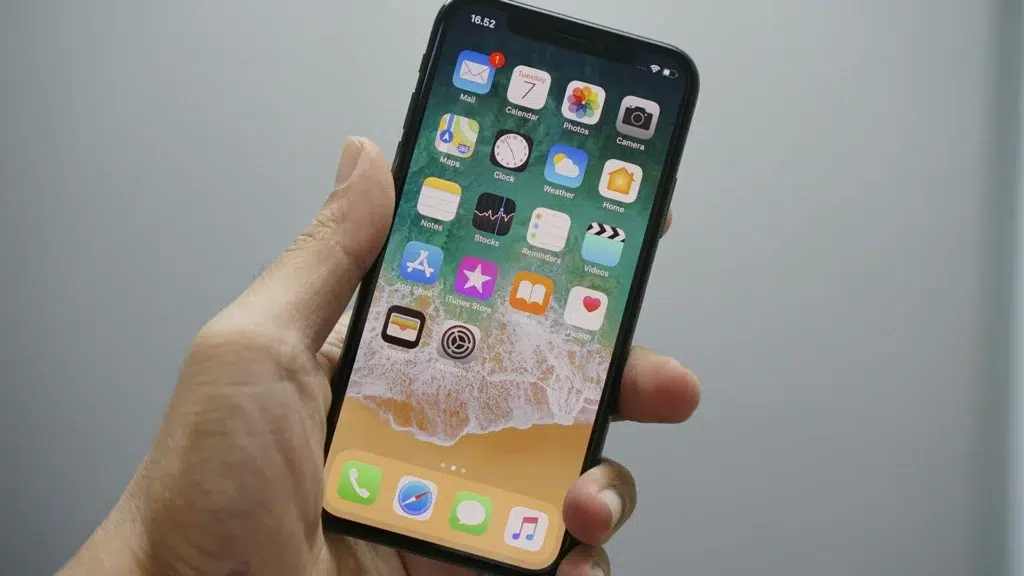
On January 9, 2007, Steve Jobs walked onto the Macworld stage in San Francisco and announced three revolutionary products: a widescreen iPod with touch controls, a revolutionary mobile phone, and a breakthrough internet communicator. After building suspense, he revealed the truth: these weren’t three separate devices but one product called the iPhone. The audience erupted as Jobs demonstrated a device that seemed five years ahead of its time, but what they didn’t know was that the iPhone barely functioned. Engineers had created a specific sequence of actions Jobs had to follow precisely because deviating would crash the prototype. If he played the wrong song or opened apps in the wrong order, the demo would fail.
By 2024, the iPhone generates $201 billion in annual revenue, representing nearly half of Apple’s $391 billion total, and has sold over 1.5 billion units since launch. The smartphone industry the iPhone created is now worth over $500 billion annually. Apple’s market value reached $3.9 trillion, making it the world’s most valuable company, largely due to the iPhone’s sustained success across 18 years of iterations. The device didn’t just change phones but fundamentally transformed computing itself, fulfilling Jobs’ vision of putting a computer in every person’s pocket.
Reinventing the Phone by Reinventing Computing
Steve Jobs opened his keynote by saying, “This is a day that I have been looking forward to for two and a half years. Every once in a while a revolutionary product comes along that changes everything.” He positioned the iPhone alongside the Mac (1984) and iPod (2001) as Apple’s third revolutionary product. But what made the iPhone revolutionary wasn’t just that it was a better phone but that it redefined what phones could be by applying computer principles to mobile devices.
Before iPhone, smartphones like BlackBerry, Palm Treo, and Windows Mobile devices were essentially miniature computers running phone software. They featured physical QWERTY keyboards, styluses for navigation, and complex menus requiring technical knowledge. These devices served business professionals checking email and managing calendars but never achieved mainstream consumer adoption. They were tools, not experiences. Regular phones from Nokia, Motorola, and Sony Ericsson offered simplicity but limited capabilities beyond calling, texting, and basic features like calculators and alarms.
The pre-iPhone mobile landscape:
- BlackBerry, Palm Treo, Windows Mobile: physical keyboards and styluses
- Complex menus requiring technical knowledge
- Business professionals only, not mainstream consumers
- Nokia dominated with 40% market share
- Motorola Razr was aspirational consumer phone
- Feature phones limited to calls, texts, basic features
- No desktop-class web browsing
- Sequential voicemail listening with button prompts
The Multi-Touch Interface Revolution
Jobs recognized that the problem wasn’t whether phones could be computers but whether computers could be made simple enough for phones. Apple’s solution was Multi-Touch interface eliminating keyboards and styluses entirely. Users interacted directly with content using the most natural input device: their fingers. This interface innovation made computing accessible to non-technical users who found traditional smartphones intimidating. Jobs demonstrated scrolling through contacts with a finger swipe, pinching to zoom photos, and typing on a full-screen keyboard that appeared only when needed.
The Software Revolution
The iPhone’s true innovation was software sophistication never before seen in mobile devices. The device ran OS X (later iOS), a mobile version of Apple’s desktop operating system, providing computing power that previous phones couldn’t match. This enabled desktop-class web browsing through Safari, visual voicemail letting users see and select messages like email instead of listening chronologically, and synchronization with iTunes, computers, and cloud services that made the iPhone extension of users’ digital lives rather than isolated device.
Revolutionary software features:
- OS X mobile version (later iOS) providing desktop computing power
- Safari offering desktop-class web browsing vs. stripped-down mobile sites
- Visual Voicemail displaying messages as list (tap any message vs. sequential listening)
- iTunes synchronization connecting to digital life
- iPod integration for music playback
- Accelerometer enabling automatic screen rotation
- Proximity sensor turning off screen during calls
- Ambient light sensor adjusting brightness automatically
- Sensors made device context-aware vs. static previous phones
Jobs emphasized that the killer app was making calls, ironically highlighting how difficult basic functions were on existing smartphones. But he then demonstrated Visual Voicemail, a feature that seems obvious in retrospect but was revolutionary in 2007. Traditional voicemail forced sequential listening: press buttons, wait for prompts, listen to messages in order, delete or save one-by-one. Visual Voicemail displayed messages as list, letting users tap to hear any message, see who called and when, and manage voicemail like email.

📱 iPhone 17 Pro – Silver, 256GB Latest Apple Smartphone Technology
🛒 Shop Now on AmazonThe Features That Changed Mobile Forever
The original iPhone launched with specifications that would seem primitive today: 3.5-inch screen with 320×480 resolution, 2-megapixel camera with no video recording, 4GB or 8GB storage, and no 3G connectivity. Yet these limitations were overshadowed by revolutionary features that redefined mobile computing. The Multi-Touch display combined with accelerometer enabling automatic screen rotation created interface possibilities that keyboard phones couldn’t match. Browsing actual websites rather than stripped-down mobile versions brought desktop internet to mobile for the first time.
Original iPhone specifications:
- 3.5-inch screen with 320×480 resolution
- 2-megapixel camera (no video recording)
- 4GB or 8GB storage options
- No 3G connectivity (only 2G EDGE)
- Multi-Touch display eliminating keyboard
- Accelerometer for automatic rotation
- Full Safari web browser
- iPod music player integration
- Visual Voicemail
- $499 launch price (8GB model)
What Steve Jobs Missed
Remarkably, Jobs didn’t fully grasp what he’d created. His 2007 presentation spent eight minutes demonstrating iPod features but only briefly covered the camera, SMS texting, and web browsing. He envisioned iPhone primarily as iPod that made calls rather than pocket computer running infinite applications. When Andy Grignon, original iPhone team member, later confirmed that their core mission was playing music and making phone calls, it revealed that even Apple’s visionaries couldn’t predict how profoundly iPhone would change computing.
Jobs was initially dismissive of third-party applications, fearing they would compromise the iPhone experience and create security vulnerabilities. He insisted users could build web applications instead of native apps, a position that seems absurd knowing the App Store’s eventual success. This short-sightedness demonstrates that revolutionary products often exceed their creators’ visions.
The App Store and Developer Economy
In July 2008, one year after iPhone launch, Apple introduced the App Store with 500 applications. This addition transformed iPhone from impressive device into revolutionary platform. The App Store created ecosystem where developers could build businesses creating software for iPhone, while consumers could access applications making devices more valuable. This two-sided marketplace generating value for developers, Apple, and users proved more transformative than the iPhone hardware itself.
The App Store economics:
- Launched July 2008 with 500 applications
- Developers keep 70% of revenue, Apple takes 30%
- 2024: over $85 billion annual revenue
- $1.1 trillion paid to developers since 2008
- 3.84 million apps available
- Created companies: Instagram, Uber, Spotify
- Network effects: more developers attract more users attract more developers
- iOS users spend more on apps than Android users
The economics were compelling for all parties. Developers kept 70% of paid app revenue while Apple took 30%, a split that compensated Apple for infrastructure while leaving developers sufficient incentive to invest in iOS development. Consumers gained access to applications dramatically expanding iPhone capabilities beyond Apple’s own software. Games, productivity tools, social media apps, and countless specialized applications made each iPhone uniquely valuable based on which apps users installed.
The Platform Effect
The App Store created network effects that made iPhone increasingly valuable as more developers and users joined the platform. Developers targeted iOS because iPhone users spent more on apps than Android users, creating financial incentive for best developers to prioritize iOS. This attracted more users who wanted access to best apps, which attracted more developers in virtuous cycle. These platform dynamics made iPhone sticky, as users who invested in apps and established habits became reluctant to switch to competing platforms.
The platform also enabled entirely new businesses impossible before smartphones existed. Ride-hailing services like Uber and Lyft required GPS, mobile payments, real-time communication, and widespread smartphone adoption to function. Social media apps like Instagram and Snapchat leveraged iPhone cameras and constant connectivity to create new forms of communication. Mobile gaming companies built billion-dollar businesses around touch-controlled games designed specifically for smartphone interfaces.

✨ iPhone Air – Space Black, 512GB Premium Apple Smartphone
🛒 Shop Now on AmazonThe Industry Transformation
The iPhone’s success forced entire mobile industry transformation. In 2007, Nokia dominated with 40% market share, BlackBerry ruled business users, and Motorola Razr was the aspirational consumer phone. Microsoft’s Steve Ballmer laughed at iPhone’s $499 price and lack of keyboard, declaring it would never gain business market share. These incumbents dismissed iPhone as niche product for Apple fans rather than existential threat to their businesses. They were catastrophically wrong.
The mobile industry collapse:
- Nokia market share: 40% (2007) to 3% (2012)
- BlackBerry sales: 50 million units (2011) to under 5 million (2016)
- Motorola, Palm exited or became irrelevant
- Only survivor: Samsung embracing Android and touchscreen design
- Every manufacturer adopted large touchscreens
- Physical keyboards eliminated
- App stores became standard
- “Smartphone” became synonymous with iPhone-style devices
Within five years, Nokia’s market share collapsed from 40% to 3%. BlackBerry, once so dominant that its devices were called “CrackBerries” due to user addiction, saw sales plummet from 50 million units in 2011 to under 5 million by 2016. Motorola, Palm, and other feature phone makers either exited the market or became irrelevant. The only survivor was Samsung, which embraced Android and copied iPhone’s touchscreen design philosophy, building smartphone business that eventually matched Apple in sales volume if not profits.
The Android Response
Google’s Android operating system, announced in November 2007 and launched in 2008, provided alternative to iOS that phone manufacturers could adopt without building operating systems from scratch. Android’s open-source nature allowed Samsung, HTC, Motorola, and countless manufacturers to create iPhone competitors, collectively building ecosystem rivaling Apple’s closed platform. While individual Android manufacturers struggled matching Apple’s profit margins, Android collectively captured majority of global smartphone market share through sheer variety and lower prices.
The iPhone-Android competition drove rapid innovation benefiting consumers. Apple and Samsung leapfrogged each other with better cameras, larger screens, faster processors, and new features like face recognition and wireless charging. This competitive dynamic ensured that computing revolution iPhone started continued accelerating rather than stagnating once Apple established market position.
The Cultural and Social Impact
Beyond financial metrics and market share, iPhone created cultural shifts changing how humans interact with technology and each other. The phrase “there’s an app for that” became cultural shorthand for smartphone capability solving any problem. Phone addiction became recognized social issue as people spent hours daily staring at screens. “Phubbing” (phone snubbing) described behavior of ignoring companions in favor of scrolling through feeds. These changes demonstrated that iPhone’s computing revolution extended beyond commercial success to fundamentally altering human behavior.
Cultural and social changes:
- “There’s an app for that” became cultural shorthand
- Phone addiction recognized as social issue
- “Phubbing” (phone snubbing) described ignoring companions for screens
- Democratized photography with cameras in everyone’s pockets
- Instagram and Snapchat transformed photography into constant stream
- Front-facing camera (iPhone 4) enabled selfie culture
- Visual communication as common as text messaging
- Social media found true potential on mobile devices
- Constant connectivity created always-on culture
The iPhone democratized photography by putting capable cameras in everyone’s pockets. Instagram and Snapchat transformed photography from occasional activity requiring dedicated cameras into constant stream of shared moments. The front-facing camera introduced in iPhone 4 enabled selfie culture that some criticized but undeniably changed how people documented and shared their lives. Visual communication through photos and videos became as common as text-based messaging, changing how humans expressed themselves.
The Remote Work Revolution
The iPhone’s computing power and connectivity laid groundwork for remote work revolution that accelerated during COVID-19 pandemic. Smartphones enabled workers to access email, documents, video calls, and collaboration tools from anywhere, breaking assumption that knowledge work required physical office presence. Studies showed 65% of remote workers reported increased productivity, validating that mobile computing enabled work flexibility previously impossible.
The gig economy powered by apps like Uber, DoorDash, and TaskRabbit couldn’t exist without smartphones enabling real-time coordination between workers and customers. Millions of people earned income through smartphone-enabled platforms, creating new economic opportunities but also raising questions about labor rights and protections.
The Bottom Line
The iPhone launched January 9, 2007 fulfilled computing revolution that personal computers started but couldn’t complete: putting truly personal computer in every person’s pocket. While desktop computers required dedicated spaces and laptops required carrying bags, iPhone was genuinely ubiquitous, always present because people carried phones everywhere. This constant availability transformed computing from activity requiring deliberate action (sitting down at computer) to continuous presence integrated into every moment of daily life.
The revolution metrics:
- iPhone annual revenue: $201 billion (2024)
- Apple total revenue: $391 billion
- Apple market valuation: $3.9 trillion
- iPhone units sold since launch: 1.5 billion+
- Global smartphone industry: $500 billion annually
- App Store annual revenue: $85 billion+
- Paid to developers since 2008: $1.1 trillion
- Available apps: 3.84 million
The transformation achievements:
- Eliminated physical keyboards from mobile devices
- Made touchscreens standard across all smartphones
- Created $500 billion smartphone industry from scratch
- Spawned App Store economy with 3.84 million apps
- Enabled new businesses: Uber, Instagram, Snapchat
- Democratized photography and visual communication
- Enabled remote work and gig economy
- Changed human communication and social behavior
Key lessons from iPhone’s success:
- Revolutionary products often exceed creators’ initial visions
- Jobs initially dismissed third-party apps (later proved transformative)
- Platform ecosystems more valuable than hardware alone
- User experience and simplicity trump technical specifications
- Multi-Touch eliminated need for keyboards and styluses
- Network effects from two-sided marketplaces create competitive moats
- Cultural impact matters as much as commercial success
What made iPhone revolutionary:
- Applied computer principles to mobile devices
- Multi-Touch interface made computing accessible to non-technical users
- Desktop-class software on mobile device (OS X/iOS)
- Visual Voicemail reimagined fundamental phone experience
- App Store created developer economy generating $1.1 trillion
- Context-aware sensors (accelerometer, proximity, ambient light)
- Convergence: music, calls, internet, photos in one device
- Platform enabled businesses impossible before smartphones
The financial impact was extraordinary: $201 billion in annual iPhone revenue, $391 billion total Apple revenue, $3.9 trillion market valuation, and $500 billion global smartphone industry. Yet the deeper impact was social and cultural. The iPhone changed how humans communicate, work, learn, entertain themselves, navigate the world, shop, bank, and interact with each other. It enabled businesses, social movements, and cultural phenomena that couldn’t exist in pre-smartphone era.
Steve Jobs’ vision of an iPod that made calls became something far greater: a pocket computer that happened to make calls while also being camera, map, wallet, library, communication device, entertainment system, and portal to all human knowledge. The fact that even Jobs underestimated what he’d created demonstrates how truly revolutionary products transcend their creators’ initial visions. The iPhone didn’t just change computing; it proved that computing could change the world when made accessible, intuitive, and ubiquitous enough that billions of people worldwide would carry powerful computers everywhere, every day, transforming human civilization in ways still unfolding.