In 2014, Gaurav Khatri and Amit Khatri started Noise as a mobile accessories company selling phone cases and cables. Nobody predicted that within a decade, this Delhi-based startup would beat Apple, Samsung, Fitbit, and every other global giant to become India’s largest wearables brand. By 2024, Noise beat global brands to command approximately 26% of India’s smartwatch market, ahead of international players with decades of experience and billions in R&D budgets. The company’s journey from phone accessories to market leader reveals how deeply understanding Indian consumers can trump global brand power and technological superiority.
When Apple Watch launched in 2015 at prices starting around Rs 30,000, it created a new product category but remained inaccessible to most Indians. Samsung, Fitbit, and other global brands followed with premium smartwatches priced Rs 15,000-50,000. They assumed India would eventually adopt Western pricing models as incomes grew. But Noise beat global brands by rejecting that assumption entirely. The company realized that Indians wanted smartwatch features but at prices that made sense for Indian wallets.
The Pricing Strategy That Democratized Smartwatches
The single biggest reason Noise beat global brands in India was pricing. When Apple Watch Series 3 launched in India at Rs 30,900, it cost more than many Indians earned in a month. Samsung’s Galaxy Watch started around Rs 25,000. Fitbit’s cheapest models were Rs 10,000+. These brands positioned smartwatches as premium lifestyle accessories for affluent consumers. Noise saw the opportunity differently. If smartwatches could be priced like good smartphones, at Rs 2,000-5,000, millions of middle-class Indians could afford them.
Noise achieved this pricing through smart business model choices. The company didn’t manufacture proprietary hardware or develop custom operating systems like Apple’s watchOS. Instead, Noise used readily available chipsets, sensors, and components from Chinese suppliers, similar to how Xiaomi built affordable smartphones. The watches ran simple firmware optimized for fitness tracking rather than complex ecosystems.
The pricing breakthrough:
- 2014: Gaurav Khatri and Amit Khatri started Noise in Delhi
- Mobile accessories: phone cases and cables
- 2024: 26% of India’s smartwatch market share
- Apple Watch 2015 India: Rs 30,000+ starting price
- Samsung Galaxy Watch: Rs 25,000+
- Fitbit: Rs 10,000+ cheapest models
- Noise: Rs 2,000-5,000 pricing
- Used readily available chipsets, sensors, components from Chinese suppliers
- Simple firmware optimized for fitness tracking
- Rs 3,000 cost less than weekend dining or two months streaming subscriptions
The Rs 2,000-5,000 price point was psychologically perfect for Indian consumers. It was affordable enough for students, young professionals, and middle-class families to consider without major financial stress. At Rs 3,000, a Noise smartwatch cost less than a weekend dining out or two months of streaming subscriptions. This impulse-purchase pricing made smartwatches accessible to consumers who would never consider spending Rs 30,000 on a wrist gadget.
Feature Parity at Fraction of Cost
What made Noise’s pricing strategy work wasn’t just being cheap but delivering genuine value. Noise smartwatches offered features comparable to watches costing 5-10x more: heart rate monitoring, blood oxygen tracking, sleep analysis, multiple sports modes, smartphone notifications, music control, and decent build quality. Were they as refined as Apple Watch? No. But they delivered 70-80% of functionality at 10% of the price, a value proposition most Indians found irresistible.
Noise also understood which features Indians actually cared about versus what global brands emphasized. Apple Watch’s ECG functionality and fall detection appealed to health-conscious Western consumers but meant little to young Indians buying their first smartwatch. Noise focused on basics done well: accurate step counting, workout tracking for cricket and football (sports global brands often ignored), long battery life since Indians hated daily charging, and durable build quality that survived India’s climate and handling.

Noise Master Buds, Sound by Bose in-Ear Bluetooth Earbuds, Up to 49dB Adaptive ANC, LHDC 5.0, Spatial Audio, 44H Playtime, IPX5 (Copper Rose)
🛒 Shop Now on AmazonDistribution That Reached Real India
Global brands assumed e-commerce would dominate smartwatch sales in India, focusing heavily on Amazon and Flipkart. They maintained limited offline presence in premium retail stores in major metros. This strategy worked for luxury positioning but missed how most Indians actually shop. Noise beat global brands by building massive offline distribution, partnering with 20,000+ retail stores across tier 2 and tier 3 cities where e-commerce penetration was lower and customers wanted to see, touch, and try products before buying.
Walking into any electronics store in Lucknow, Jaipur, or Coimbatore, you’d find Noise smartwatches prominently displayed with demo units customers could try. Store staff, incentivized by Noise, actively recommended the brand. This physical availability created massive advantages. Customers could compare Noise watches against premium brands and immediately see the value difference.
Distribution dominance:
- Global brands: heavy e-commerce focus (Amazon, Flipkart)
- Limited offline: premium retail stores in major metros
- Noise: 20,000+ retail stores across tier 2 and tier 3 cities
- Electronics stores in Lucknow, Jaipur, Coimbatore with prominent displays
- Demo units customers could try
- Store staff incentivized to recommend Noise
- Physical availability building trust
- First-time buyers skeptical of online purchases
- Local retailer relationships reducing purchase anxiety
The offline strategy also built trust. Many first-time smartwatch buyers were skeptical of online purchases, especially for technology products they didn’t fully understand. Being able to buy from a local retailer they’d shopped at for years reduced purchase anxiety. If problems occurred, they could return to the same store rather than navigating online customer service.
The Omnichannel Advantage
While dominating offline, Noise didn’t neglect online sales. The company maintained strong presence on Amazon and Flipkart, often ranking among top-selling smartwatches during major sale events. This omnichannel approach meant Noise was everywhere Indian consumers looked for smartwatches. Metro consumers shopping online found Noise alongside global brands. Small-town consumers visiting electronics stores found Noise as the affordable option.
Building a Brand That Felt Indian
Noise beat global brands not just through pricing and distribution but by building a brand identity that resonated with young, aspirational India. The company’s marketing featured Indian celebrities like Virat Kohli, Taapsee Pannu, and Rohit Sharma, not international stars Indians admired but couldn’t relate to. These partnerships made Noise feel achievable and relevant. If Virat Kohli wore Noise, young cricket fans wanted it too, regardless of what Apple or Samsung offered.
The marketing messaging emphasized fitness, style, and self-improvement themes that appealed to India’s growing health-consciousness. Noise positioned smartwatches as tools for becoming better versions of yourself, tracking workouts, improving sleep, staying connected, all aspirations that young Indians identified with. The campaigns ran in Hindi and regional languages, not just English, making Noise feel inclusive rather than elite.
Marketing strategy:
- Indian celebrities: Virat Kohli, Taapsee Pannu, Rohit Sharma
- Not international stars Indians couldn’t relate to
- Achievable and relevant positioning
- Fitness, style, self-improvement messaging
- India’s growing health-consciousness
- Campaigns in Hindi and regional languages vs. just English
- Inclusive vs. elite positioning
- Partnered with fitness influencers, tech reviewers, lifestyle creators
- YouTube and Instagram reaching millions of followers
- Authentic reviews comparing Noise favorably to premium brands
Product Design for Indian Aesthetics
Noise understood that Indians wanted smartwatches that looked premium even at affordable prices. The company invested in design, creating watches with metallic finishes, multiple strap options, and colorful displays that photographed well for social media. Young Indians posting photos with their Noise watches wanted products that looked expensive and stylish, not obviously cheap.
The product lineup also offered variety. Where Apple offered limited models at fixed price points, Noise launched dozens of variants with different colors, strap materials, dial designs, and feature combinations. This variety meant customers could find Noise watches matching their personal style, whether sporty, elegant, or casual.
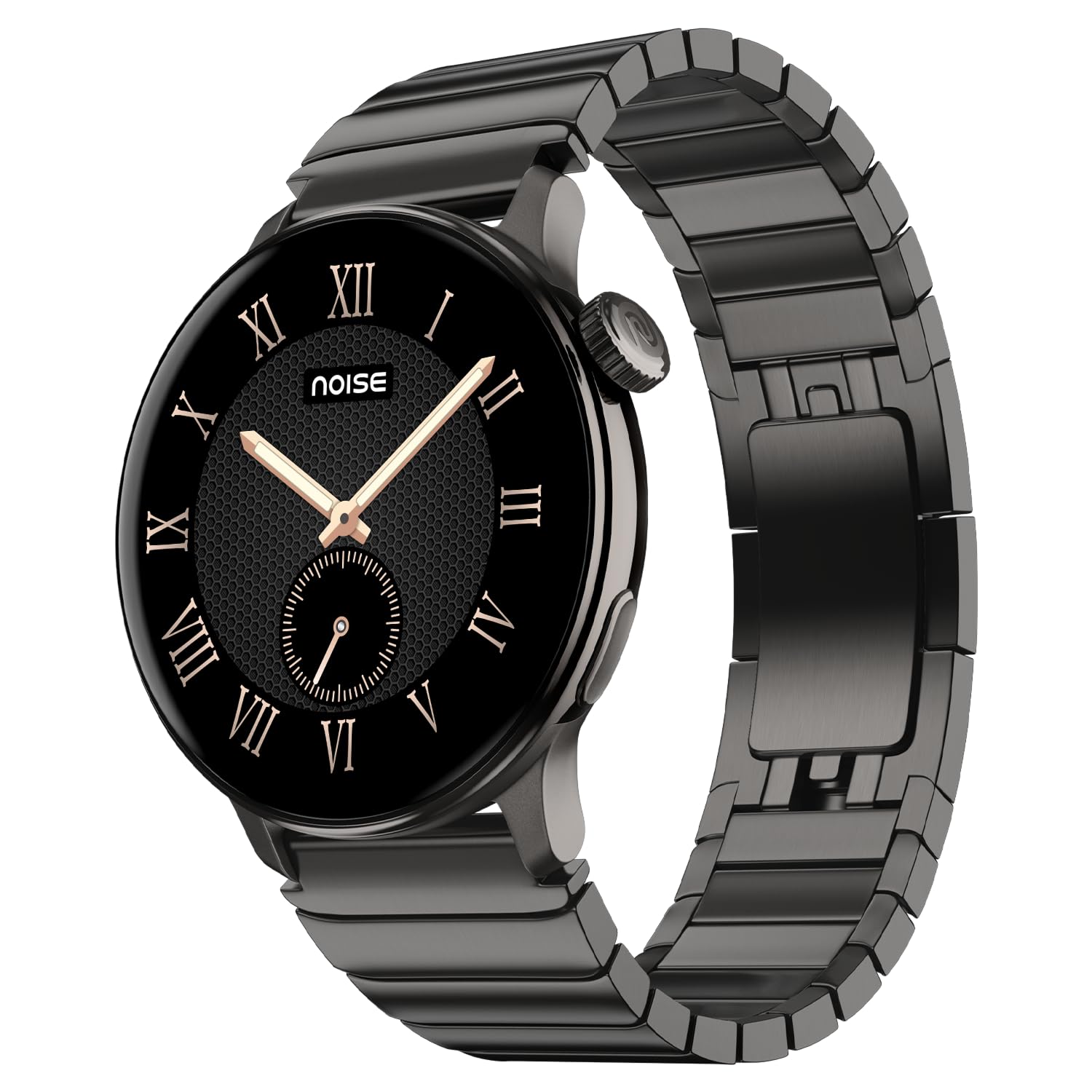
Noise Pro 6R 1.46″ AMOLED Smart Watch, 1000 NITS, AI Pro, Built-in GPS, Strava Integration, Stainless Steel, 3ATM, Emergency SOS – Pure Titanium
🛒 Shop Now on AmazonFeatures and Innovation for Indian Needs
Noise beat global brands by obsessing over what Indian customers actually needed rather than what worked globally. Battery life is a perfect example. Apple Watch required daily charging, acceptable for Western consumers but frustrating for Indians dealing with power cuts, traveling frequently, or simply hating daily charging routines. Noise smartwatches offered 7-10 day battery life, a feature Indian customers valued highly and global brands underestimated.
Language support was another innovation global brands overlooked. Noise watches supported Hindi and regional languages for notifications, menus, and voice commands. This made smartwatches accessible to millions of Indians uncomfortable with English interfaces. Global brands eventually added Indian language support but years after Noise, giving the Indian startup first-mover advantage with non-English speaking consumers.
Indian-specific features:
- Battery life: 7-10 days vs. Apple Watch daily charging
- Critical for power cuts, frequent travel, dislike of daily charging
- Hindi and regional languages: notifications, menus, voice commands
- Accessible to millions uncomfortable with English
- Sports modes: dedicated cricket, badminton, yoga modes
- Alongside global sports like running, cycling
- Culturally relevant fitness options
- Optimized health tracking for Indian body types and activity patterns
Continuous Innovation and Quick Iteration
Operating as a nimble Indian startup, Noise could iterate products faster than global corporations. The company launched new models every few months, incorporating customer feedback and adding features competitors took years to develop. When customers requested longer battery life, Noise delivered it in the next launch. When blood oxygen monitoring became important during COVID-19, Noise quickly added SpO2 sensors across its lineup.
The Bottom Line
Noise beat global brands in India’s wearables market by understanding a fundamental truth: what works globally doesn’t automatically work in India. Apple, Samsung, and Fitbit entered India with strategies that dominated Western markets, premium pricing, advanced features, limited models, and assuming consumers would adapt to their offerings. Noise did the opposite. The company studied what Indians wanted, affordable prices, long battery life, local language support, offline availability, and built products specifically for those needs.
The market leadership:
- 2014: Delhi startup selling phone accessories
- 2024: 26% India smartwatch market share
- Beat Apple, Samsung, Fitbit with decades experience
- Rs 2,000-5,000 pricing vs. Rs 30,000 Apple Watch
- 20,000+ offline retail stores distribution
- Virat Kohli, Taapsee Pannu, Rohit Sharma partnerships
- Hindi and regional language campaigns
- 7-10 day battery life vs. daily charging
- Cricket, badminton, yoga dedicated sports modes
The company’s 26% market share leadership proves that in emerging markets, local insight trumps global resources. Noise didn’t have Apple’s R&D budget, Samsung’s manufacturing scale, or Fitbit’s decade of health tracking expertise. But it had something more valuable: deep understanding of Indian consumers’ priorities, constraints, and aspirations.
By pricing smartwatches at Rs 2,000-5,000 instead of Rs 30,000, distributing through 20,000+ offline stores instead of just premium retail, and marketing through Indian celebrities speaking in Indian languages, Noise made wearables accessible to millions who global brands ignored as “not ready” for smartwatches. The reality was that Indians were ready, just not at foreign prices or through foreign distribution models.