In 1837, when Charles Lewis Tiffany opened a small stationery and fancy goods store in Manhattan, he chose robin’s-egg blue for his packaging because turquoise gemstones were fashionable among European aristocracy. The color seemed elegant, distinctive, and aspirational for the luxury goods he wanted to sell.
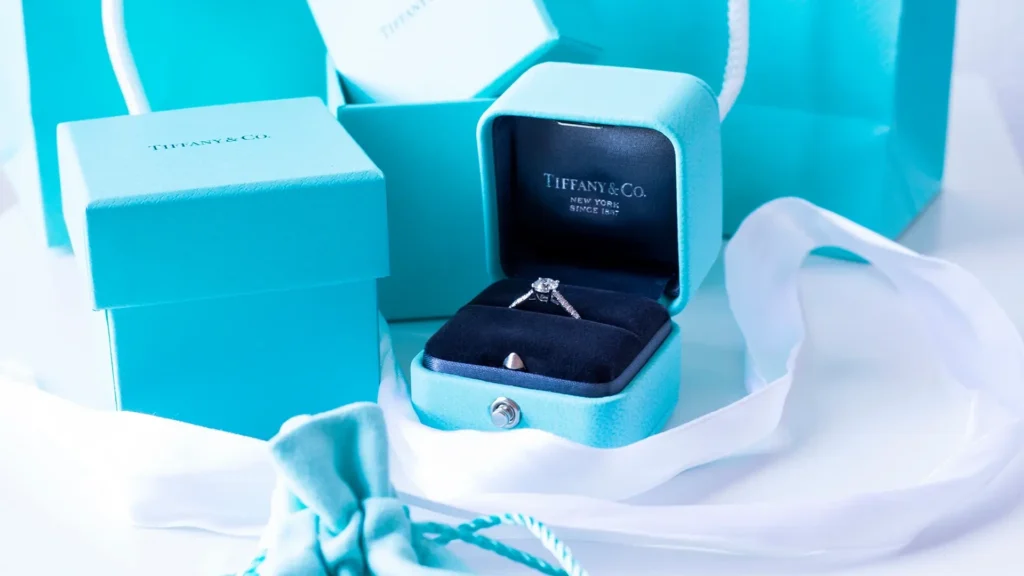
Nearly 200 years later, that blue box became one of the world’s most valuable brand assets. The Tiffany blue box transcends packaging to represent love, commitment, luxury, and aspiration. People recognize the color instantly from across rooms. The box appears in marriage proposals, anniversary gifts, and aspirational Pinterest boards globally.
LVMH’s $15.8 billion acquisition of Tiffany & Co. in 2021 valued the brand at premium multiples versus competitors, largely because of intangible brand equity concentrated in that blue box. The packaging itself drives purchases, customers buy Tiffany partly because they want that box and what it represents socially and emotionally.
This is the story of how one American jeweler turned a color choice into trademarked intellectual property, built cultural cachet through 185+ years of consistent brand positioning, and created packaging that became more iconic than products inside. It’s a masterclass in luxury branding where emotional value and social signaling matter more than product specifications.
How Tiffany Blue Box Became Trademarked Color Asset
Charles Lewis Tiffany didn’t invent turquoise blue, but Tiffany & Co. owns it in jewelry and luxury contexts. The company trademarked the specific Pantone color (PMS 1837, named after founding year) preventing competitors from using identical blue in similar product categories.
Color trademarking represents extraordinary brand achievement. Most companies can’t trademark colors because they’re too generic. But Tiffany proved through decades of exclusive use that their blue became distinctive identifier uniquely associated with their brand, meeting legal requirements for trademark protection.
Legal and Brand Value of Color Ownership
Trademark protection advantages:
- Competitor exclusion: rivals can’t use similar blue in jewelry packaging
- Brand recognition: instant identification without needing to see logo or name
- Counterfeiting prevention: fake Tiffany boxes identifiable by color mismatch
- Licensing opportunities: authorized partners pay to use Tiffany blue in collaborations
- Asset valuation: trademarked color appears on balance sheet as intellectual property
- Marketing consistency: every customer interaction reinforces blue association
- Global recognition: color transcends language barriers in international markets
- Premium justification: proprietary color supports luxury positioning and pricing
The Pantone specification (PMS 1837) ensures color consistency across all applications from packaging to marketing materials to store interiors. This obsessive consistency over 185+ years built brand equity that competitors with frequently changing packaging can never replicate.
Tiffany also controls blue box distribution strictly. Customers can’t buy empty boxes. You only receive Tiffany blue box by purchasing Tiffany product, maintaining exclusivity and preventing box dilution through unauthorized secondary markets.
The Breakfast at Tiffany’s Cultural Phenomenon
Tiffany blue box achieved iconic status partly through Truman Capote’s 1958 novella and 1961 film “Breakfast at Tiffany’s” starring Audrey Hepburn. The story positioned Tiffany’s as ultimate luxury aspiration, a place where “nothing very bad could ever happen.”
Holly Golightly’s character romanticized Tiffany’s as sanctuary representing stability, elegance, and dreams of better life. The opening scene showing Hepburn eating pastry while window shopping at Tiffany’s Fifth Avenue flagship became one of cinema’s most iconic moments.
Cultural impact of “Breakfast at Tiffany’s”:
- Brand awareness explosion: film introduced Tiffany’s to global mass audience
- Aspirational positioning: associated brand with Hollywood glamour and sophistication
- Tourism driver: Fifth Avenue flagship became must-visit destination for tourists
- Proposal location: store became popular spot for marriage proposals
- Gift symbolism: Tiffany gifts represented serious romantic intent
- Pop culture permanence: references in movies, TV shows, songs reinforcing brand
- Female empowerment: independent woman treating herself to luxury became brand narrative
- Blue box iconography: film scenes featuring blue boxes cemented packaging recognition
The film gave Tiffany billions in free marketing value and cultural positioning money couldn’t buy. It wasn’t planned product placement but serendipitous cultural moment that Tiffany leveraged brilliantly through decades of consistent brand building.
Maintaining Cultural Relevance Across Generations
Tiffany blue box remains culturally relevant because the brand continuously reinforces aspirational narratives through marketing, celebrity partnerships, and product innovation. Each generation discovers Tiffany through different cultural touchpoints while core blue box equity persists.
Modern cultural reinforcement mechanisms:
- Social media: Instagram and Pinterest making blue box visually viral
- Celebrity engagements: high-profile proposals with Tiffany rings generate publicity
- Movie placements: continued appearances in romantic comedies and dramas
- Collaborations: limited editions with streetwear and contemporary artists reaching younger demographics
- Influencer gifting: strategic blue box appearances on social media feeds
- Proposal services: Tiffany staff helping plan elaborate engagement proposals
- Holiday campaigns: emotional advertising around Christmas, Valentine’s Day, anniversaries
- Brand heritage storytelling: museum exhibitions and archival content celebrating 185+ year history
Why Packaging Became as Valuable as Product Inside
The Tiffany blue box transcended functional packaging to become luxury good itself. Customers pay premiums partly for box and what it represents socially. Receiving Tiffany blue box signals that giver invested thought, money, and emotion into gift selection.
This packaging-as-product phenomenon differentiates luxury from commodity goods. Walmart sells diamonds too, but nobody posts iPhone photos of Walmart jewelry boxes to Instagram. The blue box transforms transaction into experience worth documenting and sharing.
Psychological and social value of blue box:
- Social signaling: visible luxury communicating giver’s wealth and thoughtfulness
- Emotional anticipation: blue box creates excitement before product reveal
- Memory creation: box preserved as keepsake long after jewelry worn
- Proposal theater: box plays starring role in engagement moments photographed and remembered
- Gift elevation: same jewelry in different box would command lower prices
- Aspiration symbol: represents achieving life milestone or status level
- Quality assurance: box guarantees authenticity and craftsmanship
- Resale premium: jewelry retains value partly because verifiable Tiffany provenance
Tiffany understanding this dynamic maintains strict quality standards for every box element. The blue color must be perfect Pantone match. The white ribbon tied in signature bow. The weight and texture of cardboard conveys quality. These details cost more than generic packaging but create value exceeding additional costs.
The Unboxing Experience as Marketing
Before “unboxing videos” became YouTube phenomenon, Tiffany perfected unboxing as brand experience. The ritual of opening Tiffany blue box creates emotional journey that customers share with friends, family, and increasingly social media audiences.
Designed unboxing elements:
- Signature bow: white satin ribbon tied in specific style requiring training
- Box resistance: lid fits snugly creating satisfying resistance when opening
- Interior contrast: white interior highlighting jewelry against blue exterior
- Layered reveal: tissue paper and interior boxes creating anticipation
- Sound design: satisfying click when closing box properly
- Tactile quality: premium cardboard texture distinguishing from cheaper packaging
- Size variety: consistent blue across ring boxes to shopping bags maintaining brand
- Preservation worthiness: quality enabling customers keeping boxes for years
This attention to unboxing details turns customers into brand marketers. Every Instagram post showing Tiffany blue box provides free advertising to poster’s followers, creating aspirational desire that traditional ads can’t match.
Premium Pricing Strategy Anchored by Blue Box
Tiffany blue box enables premium pricing divorced from commodity diamond prices. Two identical diamonds, one in Tiffany blue box and one in generic packaging, sell at dramatically different prices because the brand commands 30-100%+ premiums.
This pricing power comes from brand equity concentrated in blue box and what it represents. Customers don’t just buy diamonds, they buy the Tiffany experience, provenance, and social cachet that blue box symbolizes.
Price premium justification mechanisms:
- Craftsmanship story: Tiffany positioning emphasizes artisan jewelers and quality control
- Heritage narrative: 185+ years of luxury excellence justifying higher prices
- Fifth Avenue flagship: iconic location suggesting exclusivity and prestige
- Ethical sourcing: conflict-free diamonds and responsible mining practices
- Lifetime service: complimentary cleaning, repair consultations maintaining value
- Design innovation: signature collections like Tiffany Setting creating unique offerings
- Brand selectivity: limited distribution through company-owned stores maintaining luxury positioning
- Celebrity association: high-profile customers wearing Tiffany creating aspiration
- Investment framing: Tiffany jewelry positioned as appreciating assets not depreciating purchases
The premium pricing creates self-reinforcing cycle. Higher prices increase perceived exclusivity, attracting customers who want luxury that not everyone can afford. This customer base then validates premium positioning through their purchases and social signaling.
Tiffany Setting Diamond Ring Innovation
Tiffany’s 1886 invention of the “Tiffany Setting” engagement ring, lifting diamond above band with six prongs, created product innovation justifying premiums. The design became industry standard copied globally, but Tiffany’s original commands 40-60% premiums over similar styles from competitors.
Tiffany Setting advantages:
- Light performance: elevated diamond captures more light increasing brilliance
- Diamond emphasis: prongs minimize metal visibility maximizing diamond prominence
- Design timelessness: classic aesthetic remaining popular across 135+ years
- Brand association: style immediately recognizable as Tiffany creation
- Quality signal: setting precision requires expert craftsmanship
- Heritage value: owning design that shaped engagement ring category globally
How Retail Experience Reinforces Blue Box Premium
Tiffany’s flagship store at Fifth Avenue and 57th Street in Manhattan represents retail theater supporting blue box mythology. The 1940 building features limestone façade, Atlas clock sculpture, and window displays that become tourist attractions themselves.
Inside, the store design emphasizes luxury through understated elegance. Sales associates wear suits, speak softly, and provide white-glove service. Private salons allow high-spending customers to view jewelry away from crowds. The environment makes customers feel special before seeing single product.
Flagship store experience elements:
- Window displays: seasonal installations becoming Manhattan tourist attractions
- Interior design: luxurious but approachable avoiding intimidating fortress luxury
- Expert staff: trained gemologists explaining diamonds, metals, design history
- Private consultations: dedicated spaces for engagement ring selection and custom design
- Blue Book showroom: invitation-only viewings of high jewelry collections
- Historical exhibits: archival displays celebrating brand heritage
- Proposal services: staff assisting surprise proposals including photographer coordination
- Complimentary services: jewelry cleaning, engraving, champagne for celebrations
This retail experience extends blue box value beyond physical packaging. Customers pay premiums for entire Tiffany journey from store visit to purchase to unboxing at home. Competitors selling equivalent products lack experiential differentiation justifying similar premiums.
Global Retail Expansion Maintaining Consistency
Tiffany expanded globally to 300+ stores across 30+ countries while maintaining brand consistency critical to luxury positioning. Every store uses Tiffany blue in interiors, displays jewelry in similar configurations, and trains staff in consistent service protocols.
International retail standardization:
- Store design: architectural guidelines ensuring consistent brand expression
- Location selection: premium shopping districts and luxury malls matching brand positioning
- Inventory curation: regional preferences balanced with global core collections
- Staff training: centralized programs teaching Tiffany history, gemology, service standards
- Visual merchandising: window displays adapted for local markets while maintaining brand aesthetic
- Blue box consistency: identical packaging globally preventing regional variations
- Service standards: same white-glove experience in Tokyo, London, Dubai, or New York
This global consistency means blue box carries identical meaning whether purchased in Manhattan or Shanghai. The brand promise remains constant, critical for luxury goods where brand equity depends on uniform quality and experience.
Limited Editions and Collaborations Expanding Blue Box Appeal
Tiffany strategically used limited editions and brand collaborations to attract younger demographics while maintaining luxury positioning. These initiatives made blue box accessible to new audiences without diluting core brand through mass-market discounting.
Notable Tiffany collaborations and innovations:
- Nike Air Force 1: $400 sneakers in Tiffany blue selling out instantly (2023)
- Return to Tiffany collection: sterling silver charm bracelets at $200-500 entry price points
- Tiffany T collection: modern geometric designs appealing to millennials
- Elsa Peretti collections: organic shapes at various price points from $150 to $50,000+
- Tiffany Paper Flowers: contemporary designs attracting younger customers
- Supreme collaboration: streetwear partnership creating hype and waitlists
- Custom sneaker programs: personalization services for limited edition footwear
- Fragrance licensing: perfumes extending brand into beauty at accessible prices
These collaborations generated social media buzz and introduced blue box to audiences who couldn’t afford $5,000+ engagement rings. A $400 Nike collaboration or $200 charm bracelet provided entry to Tiffany brand, creating aspiration to purchase higher-priced items later.
Balancing Accessibility with Exclusivity
Limited editions required careful balance. Too much accessibility diluted luxury positioning. Too much exclusivity limited growth. Tiffany navigated this through tiered product strategy where entry-level items funded aspirational desire while high jewelry maintained ultra-luxury credentials.
Product tier strategy:
- Ultra-high jewelry: $100,000-$10,000,000+ pieces for VIP clients and brand prestige
- Fine jewelry: $5,000-$100,000 engagement rings and statement pieces for affluent customers
- Designer collections: $1,000-$20,000 Elsa Peretti, Paloma Picasso signature designs
- Entry luxury: $150-$2,000 Return to Tiffany, charm bracelets, small pendants
- Licensed products: fragrances, eyewear, home goods at $50-$500 range
- Limited collaborations: streetwear, sneakers at $200-$1,000 creating hype
LVMH Acquisition Validating Blue Box Brand Value
LVMH’s $15.8 billion Tiffany acquisition in 2021 represented the largest luxury goods deal in history. Bernard Arnault, LVMH chairman, specifically cited Tiffany’s “unparalleled brand heritage” and American luxury positioning as acquisition rationale.
The purchase price represented massive premium over Tiffany’s market capitalization, implying LVMH valued intangible brand assets including blue box equity, Fifth Avenue flagship, 185-year heritage, and cultural positioning established through Breakfast at Tiffany’s.
LVMH strategic acquisition rationale:
- American luxury gap: LVMH portfolio lacked iconic American luxury brand
- Jewelry category: strengthened position in high-margin jewelry versus fashion/leather goods
- China growth: Tiffany blue box appealing to growing Chinese luxury consumers
- Brand heritage: 185-year history providing authenticity impossible to manufacture
- Real estate assets: Fifth Avenue flagship and global store portfolio
- Intellectual property: trademarked Tiffany blue and signature designs
- Cultural equity: Breakfast at Tiffany’s associations persisting across generations
- Pricing power: premium positioning enabling margin expansion under LVMH management
Post-acquisition, LVMH invested heavily in rejuvenating Tiffany while preserving core blue box equity. Creative director appointments, store renovations, and marketing campaigns modernized brand without abandoning heritage that made it valuable.
Post-Acquisition Brand Evolution
LVMH changes balancing heritage with modernization:
- Store redesigns: Fifth Avenue flagship renovation creating contemporary luxury environment
- Product innovation: new collections targeting younger demographics
- Marketing refresh: campaigns featuring diverse models and contemporary aesthetics
- Digital transformation: enhanced e-commerce and social media presence
- Price repositioning: selected price increases leveraging luxury positioning
- Sustainability emphasis: ethical sourcing and environmental initiatives
- Creative leadership: appointments bringing fashion credibility to jewelry brand
- Geographic expansion: new store openings in high-growth Asian markets
The Bottom Line
Tiffany blue box represents brand building at its finest. A simple packaging choice in 1837 became billion-dollar asset through consistent execution over 185+ years. The color became trademarked intellectual property. The box became as valuable as jewelry inside. The brand became cultural icon transcending product category.
The success came from understanding luxury markets differently than commodity businesses. Tiffany didn’t compete on diamond prices or metal costs. They competed on emotion, aspiration, social signaling, and cultural meaning that blue box represented.
What made Tiffany blue box iconic:
- Color consistency: Identical Pantone blue across 185+ years building recognition
- Trademark protection: Legal ownership preventing competitor copying
- Cultural positioning: Breakfast at Tiffany’s creating aspirational associations
- Packaging quality: Premium materials and presentation elevating perceived value
- Experience design: unboxing ritual creating shareable moments
- Retail theater: Fifth Avenue flagship and global stores supporting luxury narrative
- Social signaling: Blue box communicating thoughtfulness, wealth, commitment
- Heritage storytelling: 185-year history providing authenticity and trust
- Limited availability: Strict distribution preventing box dilution
- Premium pricing: Brand equity enabling 30-100%+ markups over commodity diamonds
The challenges ahead involve maintaining relevance as younger generations prioritize experiences over possessions and question traditional luxury status symbols. Lab-grown diamonds threaten Tiffany’s natural diamond positioning. Online retailers like Blue Nile offer similar quality at lower prices without blue box premiums.
But Tiffany blue box endures because it represents more than packaging or even jewelry. It represents cultural moments, emotional milestones, and aspirational achievement that transcend rational product comparisons. People don’t buy Tiffany engagement rings because they’re objectively best diamonds. They buy them because the blue box means something socially and emotionally that no competitor can replicate.
LVMH’s $15.8 billion bet validated that brand equity concentrated in blue box and everything it represents justifies premium valuations. As luxury markets shift from products to experiences and from ownership to access, Tiffany blue box remains powerful symbol of timeless luxury and emotional significance that no algorithm or commodity comparison can diminish.
The lesson for brands studying Tiffany: consistency over decades builds equity that short-term tactics never achieve. Protecting intellectual property like trademarked colors creates competitive moats. Investing in customer experience and cultural positioning matters more than product specifications. And sometimes the packaging, when executed brilliantly and consistently, becomes more valuable than the product inside.