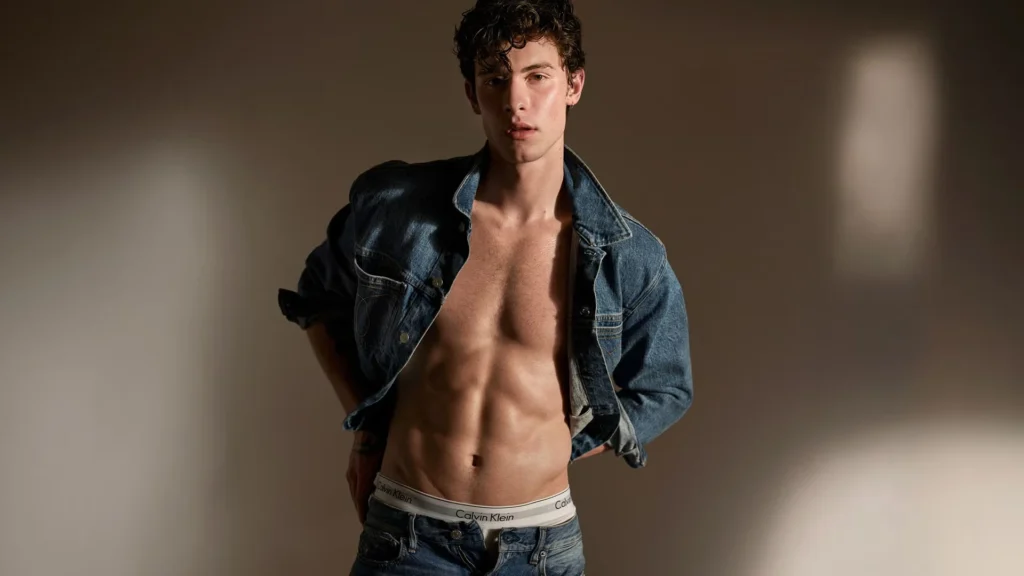
When Shawn Mendes posted two photos in Calvin Klein underwear on February 16, 2019, nobody expected what happened next. Within 48 hours, the post became his most-liked Instagram content ever, surpassing 8 million likes and generating nearly 500,000 comments. More importantly, it became Calvin Klein’s most successful campaign launch in years, directly contributing to $1.2 billion in quarterly revenue.
This wasn’t just another celebrity endorsement. The 20-year-old singer transformed from teen pop star into cultural phenomenon overnight, proving that social media influence could drive measurable retail impact in ways traditional advertising never achieved. Calvin Klein’s parent company, PVH Corp, publicly credited the Mendes campaign as the primary driver behind their Q4 2018 turnaround after a disastrous third quarter.
The timing was perfect. Calvin Klein desperately needed a win after parting ways with designer Raf Simons and shuttering their high-fashion collection line. The brand returned to its sexually charged advertising roots, and Mendes delivered results that exceeded every expectation. His clean-cut image combined with genuine fan engagement created a marketing formula that competitors still struggle to replicate.
Calvin Klein’s crisis and the strategic pivot
Why Calvin Klein needed Shawn Mendes in 2019
Calvin Klein entered 2019 in crisis mode. The brand’s attempt at elevated fashion under Raf Simons had spectacularly failed, with PVH CEO Emanuel Chirico publicly admitting the Calvin Klein Jeans relaunch was “too elevated and too fashion-forward for our core consumer.” The $70 million investment in the 205W39NYC collection produced minimal returns, forcing drastic restructuring.
The third quarter 2018 disaster triggered immediate action. Simons departed, the collection business ended, president Michelle Kessler-Sanders left, and the Madison Avenue flagship closed. PVH took $41 million in restructuring charges, including $27 million in severance costs. The brand needed to reconnect with consumers fast, and traditional advertising wouldn’t work quickly enough.
Crisis indicators that demanded change:
- Third quarter losses: Margin compression forced significant markdowns to move product off shelves quickly
- Wholesale challenges: Calvin Klein Jeans failed to resonate with department store buyers and core consumers
- Brand confusion: High-fashion positioning alienated the mass market customers who built Calvin Klein’s empire
- Competitive pressure: Rivals captured market share while Calvin Klein struggled with product-market fit
- Stock pressure: PVH shares declined as investors questioned the brand’s strategic direction and turnaround timeline
The solution required returning to what built Calvin Klein’s iconic status in the first place. Sex, youth culture, and aspirational imagery that felt accessible rather than exclusive. The brand needed someone who embodied both mainstream appeal and cultural relevance, someone whose social media reach could amplify campaigns instantly. Shawn Mendes checked every box.
The return to provocative marketing roots
Calvin Klein built its empire on sexually charged advertising that pushed boundaries while remaining commercially viable. Kate Moss and Mark Wahlberg created cultural moments that transcended product promotion. The brand understood that controversy and desirability could coexist, that showing skin wasn’t exploitation when executed with artistic confidence.
The Raf Simons era abandoned this approach for intellectual fashion that alienated core customers. Premium denim priced beyond typical Calvin Klein buyers, avant-garde designs that confused rather than excited, and campaigns lacking the sexual energy that defined the brand. Q3 2018 sales proved consumers weren’t interested in this evolution.
Strategic elements of the marketing pivot:
- Youth focus: Targeting Gen Z and Millennials with influencers who authentically connected with these demographics
- Sexual confidence: Returning to body-positive imagery that celebrated physicality without objectification
- Social-first distribution: Prioritizing Instagram and digital channels over traditional print and outdoor advertising
- Celebrity authenticity: Choosing ambassadors whose personal brands aligned naturally with Calvin Klein’s repositioning
- Accessible aspiration: Creating desire without alienating everyday consumers through unattainable luxury positioning
The Spring 2019 campaign launched this strategy with multiple celebrities, including Kendall Jenner, A$AP Rocky, and Noah Centineo. But Mendes became the breakout star, generating engagement that outpaced everyone else by massive margins. His combination of teen idol status and artistic credibility created perfect conditions for viral success.
The Instagram post that changed everything
Breaking down the 8 million like phenomenon
Mendes’ February 16 announcement post showed the singer in two poses wearing Calvin Klein boxer briefs. One image captured him leaning against a kitchen counter in white underwear, abs prominently displayed. The second showed him sitting in a chair wearing black underwear with his guitar nearby. The caption was simple: “@CalvinKlein #MyCalvins. Campaign coming this week.”
The post exploded immediately. Within 48 hours, it accumulated 8 million likes and 450,000 comments, becoming Mendes’ most popular Instagram content ever. His previous record, a photo with his parents, had garnered 5.1 million likes. The Calvin Klein post surpassed it by 56 percent, demonstrating unprecedented engagement levels even for a celebrity with 40.6 million followers at the time.
Engagement metrics that defined success:
- 8 million likes: Unprecedented for male musician endorsements, demonstrating crossover appeal beyond music fans
- 450,000 comments: Active conversation rather than passive appreciation, indicating genuine emotional investment
- Immediate virality: Peak engagement occurred in first 48 hours, showing organic spread rather than paid amplification
- Cross-platform spread: Content shared widely on Twitter, Tumblr, and other platforms beyond Instagram origin
- Media coverage: Earned millions in free publicity as outlets covered the phenomenon and cultural conversation
The images themselves deserved analysis. Mendes looked confident but not aggressive, attractive but not threatening, aspirational but still relatable. His body represented attainable fitness rather than extreme bodybuilding, his expression conveyed comfort rather than posing. These subtle details mattered enormously for audience reception and engagement drivers.
Why this campaign worked when others failed
Calvin Klein had launched celebrity underwear campaigns for years with varying success. Justin Bieber generated buzz in 2015, but the campaign felt more manufactured than authentic. Other celebrities wore the products without creating genuine cultural conversation. Mendes succeeded because multiple factors aligned simultaneously rather than relying on single elements.
His timing was perfect. At 20 years old, Mendes had transitioned from teen star to young adult credibility. His music had matured, his Grammy nominations validated artistic legitimacy, and his public image remained remarkably clean despite fame. Fans who grew up with him felt invested in his evolution, creating emotional connection that pure celebrity status couldn’t replicate.
Success factors unique to Mendes campaign:
- Authentic vulnerability: Mendes publicly discussed insecurity and confidence, making underwear campaign feel like personal growth statement
- Fan investment: Years of building relationships through social media created community rather than passive audience
- Clean reputation: Lack of scandal meant campaign focused on product and confidence rather than defending controversies
- Musical credibility: Recent album success and Grammy nominations positioned him as artist rather than manufactured pop star
- Physical transformation: Visible fitness improvement suggested dedication and effort fans could relate to and aspire toward
The campaign also benefited from strategic rollout. The February teaser post generated curiosity before full campaign launch, creating anticipation that drove sustained engagement. Follow-up content maintained momentum without oversaturating audiences. Calvin Klein understood that modern marketing required conversation rather than broadcast, participation rather than passive viewing.
Measurable business impact and revenue growth
How one campaign drove $1.2 billion quarterly revenue
PVH Corp’s Q4 2018 earnings call provided rare public acknowledgment of a single campaign’s financial impact. CEO Emanuel Chirico explicitly credited the Shawn Mendes campaign as the primary driver behind Calvin Klein’s turnaround, stating “The best response that we’ve seen so far is the new spring campaign with Shawn Mendes. The reaction from the consumer seems to be back to where our marketing and advertising consistently has been in the past.”
The numbers supported his assessment. Calvin Klein generated $1.2 billion in Q4 revenue, helping PVH’s overall quarterly revenue reach $2.48 billion and beat analyst estimates of $2.41 billion. While Calvin Klein sales technically decreased 2 percent to $953 million, Chirico explained this reflected an unfair comparison due to an additional 53rd week in 2017 figures. The underlying business showed significant health improvement.
Financial metrics demonstrating campaign effectiveness:
- Q4 revenue: $1.2 billion total Calvin Klein revenue during campaign period showing stabilized business performance
- Margin recovery: Healthier inventory turnover in Q4 compared to disastrous Q3 markdown requirements
- Stock performance: PVH shares jumped almost 10 percent to $121.65 in after-hours trading following earnings release
- Adjusted earnings: $1.84 per share versus $1.58 previous year, demonstrating improved profitability across operations
- Consumer confidence: Reduced need for promotional activity indicated strong full-price selling driven by desirability
The campaign’s impact extended beyond immediate sales. It reestablished Calvin Klein’s cultural relevance with younger consumers who had drifted toward competitors. Social media engagement translated to store traffic, website visits, and e-commerce conversions that compounded over subsequent quarters. The Mendes campaign created momentum that multiple follow-up campaigns built upon throughout 2019.
Social media metrics that translated to retail sales
Modern marketing requires connecting digital engagement to physical purchasing behavior. The Mendes campaign excelled at this translation, demonstrating that Instagram likes could predict retail performance when executed correctly. His 40.6 million followers represented massive reach, but engagement rate mattered more than follower count alone.
Mendes ranked fifth among male musicians on Instagram behind Justin Bieber, Justin Timberlake, Drake, and Chris Brown. His 2.20 percent engagement rate exceeded industry averages significantly, indicating active rather than passive audiences. When he promoted Calvin Klein, his followers didn’t just scroll past, they stopped, engaged, discussed, and most importantly, they purchased.
Social media to sales conversion indicators:
- Engagement rate: 2.20 percent active engagement versus 1-2 percent industry average for celebrity accounts
- Comment quality: Thousands of comments expressing purchase intent rather than generic praise or criticism
- Hashtag performance: #MyCalvins generated millions of user-generated posts amplifying brand message organically
- Click-through rates: Traffic from Instagram to Calvin Klein e-commerce sites surged during campaign period
- Store inquiries: Physical retail locations reported increased foot traffic specifically requesting Mendes-featured products
The campaign also demonstrated the power of aspiration in modern marketing. Fans didn’t just admire Mendes’ confidence, they wanted to embody it themselves. Buying Calvin Klein underwear became participation in the cultural moment he created rather than simple product transaction. This emotional connection drove premium pricing power and brand loyalty that pure product features couldn’t achieve.
The MyCalvins strategy and cultural positioning
Creating participatory brand moments beyond advertising
The #MyCalvins campaign framework predated Mendes, but his involvement transformed it from marketing hashtag into cultural movement. Calvin Klein invited customers to share their own stories of confidence and self-expression while wearing the brand. Mendes became the most visible example of this philosophy, showing that vulnerability and strength could coexist.
His follow-up campaign “I Speak My Truth in #MyCalvins” featured him discussing personal growth and the importance of authenticity. The 30-second video opened with childhood footage before transitioning to present-day Mendes stating “I think the real strength is putting yourself out there. Whether that’s in your music or just life in general. I’m vulnerable, and I think that’s a good thing.”
Brand positioning elements that resonated:
- Authenticity over perfection: Mendes discussed insecurities publicly, making confidence feel attainable rather than innate
- Inclusive aspiration: Campaign imagery suggested anyone could feel confident in Calvin Klein regardless of body type
- Emotional connection: Focus on personal truth rather than physical appearance created deeper brand loyalty
- User participation: Encouraging fans to share their own #MyCalvins moments created community beyond product promotion
- Multi-dimensional identity: Mendes represented artist, athlete, vulnerable person, confident performer simultaneously
The strategy worked because it aligned with broader cultural shifts toward authenticity in celebrity culture. Millennials and Gen Z consumers responded to perceived genuineness rather than manufactured perfection. Mendes’ willingness to discuss struggles with anxiety and self-doubt made his confidence in Calvin Klein advertising feel earned rather than given.
Multi-celebrity strategy and Mendes’ standout performance
Calvin Klein featured multiple celebrities in Spring 2019 campaigns, including Kendall Jenner, A$AP Rocky, Noah Centineo, and Billie Eilish in subsequent waves. Each brought different audiences and cultural capital. But Mendes generated engagement levels that outpaced everyone else, demonstrating that follower count alone didn’t determine campaign success.
His advantage stemmed from fan relationship dynamics. Unlike high-fashion models or hip-hop stars, Mendes built his career through direct fan engagement on social media. His audience felt personal investment in his success, creating parasocial relationships that translated to brand loyalty when he endorsed products. They trusted his choices because they felt they knew him personally.
Mendes vs other campaign ambassadors:
- Jenner advantage: 100+ million followers but lower engagement rate due to influencer fatigue and commercial oversaturation
- Rocky credibility: Strong hip-hop demographic appeal but narrower reach beyond streetwear and music communities
- Centineo timing: Rising star momentum but less established fanbase compared to Mendes’ multi-year following
- Mendes uniqueness: Combination of massive reach, high engagement, clean image, and authentic fan relationships
- Multi-platform strength: Success across Instagram, Twitter, YouTube created reinforcing presence competitors couldn’t match
Calvin Klein’s smart strategy recognized that different ambassadors served different purposes. Jenner brought fashion legitimacy, Rocky delivered street credibility, Centineo attracted rom-com audiences. But Mendes provided the mass market appeal and emotional connection that drove bulk sales numbers. His campaign succeeded because it balanced aspiration with accessibility perfectly.
Long-term partnership evolution and brand building
From single campaign to ongoing brand ambassador
The initial campaign’s success led to continued partnership throughout 2019 and beyond. Mendes appeared in multiple Calvin Klein campaigns, including the May 2019 “I Speak My Truth” series photographed by Mario Sorrenti. Each iteration maintained momentum while exploring different aspects of his public persona and brand positioning.
Later collaborations emphasized artistic credibility alongside commercial appeal. Behind-the-scenes content showed Mendes collaborating creatively on campaign direction rather than simply following instructions. This approach reinforced authenticity that audiences valued, making each new campaign feel like genuine expression rather than paid promotion.
Partnership evolution timeline:
- February 2019: Initial underwear campaign launch breaks Instagram records and drives immediate sales impact
- May 2019: “I Speak My Truth” campaign adds emotional depth and philosophical positioning to physical appeal
- Later 2019: Continued integration across Calvin Klein product lines beyond underwear into jeans and apparel
- 2020-2022: Mendes partnerships with Tommy Hilfiger (also PVH-owned) generated 1.5 billion impressions showing brand loyalty
- Ongoing influence: Mendes’ Calvin Klein campaigns set template for subsequent celebrity partnerships through 2025
The extended partnership demonstrated PVH’s recognition that sustained relationships build brand equity more effectively than one-off campaigns. While Calvin Klein later featured other celebrities like Jeremy Allen White and Bad Bunny, the Mendes template remained influential. Every subsequent campaign borrowed elements from strategies proven successful with his audience.
Why the strategy remains relevant for modern brands
Six years later, the Shawn Mendes Calvin Klein campaign still provides lessons for brands navigating social media marketing. The core insight remains valid: authentic celebrity partnerships drive measurable results when execution aligns with audience expectations and cultural moments. Digital engagement translates to retail sales when emotional connection accompanies product promotion.
Modern brands face more complex challenges than Calvin Klein did in 2019. Social media algorithms have changed, influencer fatigue has increased, and consumers have become more sophisticated about sponsored content. But the fundamentals remain unchanged. Audiences respond to perceived authenticity, aspiration that feels attainable, and brands that invite participation rather than demanding passive consumption.
Enduring lessons from the Mendes strategy:
- Choose ambassadors whose fans trust them: Follower count matters less than engagement quality and relationship authenticity
- Create participatory moments: Invite consumers into conversations rather than broadcasting messages at them
- Balance aspiration with accessibility: Show confident ideals while acknowledging vulnerability and relatability
- Let data guide decisions: Track engagement metrics rigorously and adjust strategy based on audience response
- Build sustained relationships: One-off campaigns generate temporary buzz, ongoing partnerships compound brand equity
Calvin Klein’s continued success with celebrity marketing proves the model’s durability. Bad Bunny’s 2024 campaign generated 14 percent sales growth for men’s underwear, building on foundations Mendes helped establish. The strategy evolved but core principles persisted: find authentic voices, create cultural conversations, and translate digital engagement into retail impact.
The Bottom Line
Shawn Mendes’ Calvin Klein campaign wasn’t just successful advertising. It was a masterclass in modern brand building that connected social media engagement to measurable retail outcomes. The 8 million Instagram likes translated directly to $1.2 billion quarterly revenue and margin recovery that saved Calvin Klein from crisis. More importantly, it reestablished the brand’s cultural relevance with younger consumers after failed attempts at high-fashion positioning.
The campaign succeeded because multiple elements aligned simultaneously. Mendes brought authentic fan relationships built over years, Calvin Klein provided brand heritage and distribution infrastructure, and timing coincided with the company’s desperate need for turnaround validation. The result was marketing that felt like cultural participation rather than commercial transaction.
Key success drivers that delivered results:
- Perfect timing: Campaign launched exactly when Calvin Klein needed immediate wins after disastrous Q3 2018 restructuring
- Authentic partnership: Mendes’ genuine connection with fans translated brand endorsement into trusted recommendation
- Strategic social media: Instagram-first distribution leveraged Mendes’ platform strength and audience engagement patterns
- Cultural resonance: Campaign messaging aligned with broader conversations about masculinity, vulnerability, and confidence
- Measurable impact: Direct correlation between social engagement and retail sales validated investment and strategy
For marketers studying the case, the lessons are clear. Social media influence can drive retail impact when partnerships feel authentic and execution invites participation. Celebrity endorsements work when celebrities bring engaged audiences rather than just follower counts. And sometimes the bravest strategy is returning to proven fundamentals rather than chasing unproven innovation.
The Shawn Mendes Calvin Klein campaign remains relevant because it demonstrated principles that transcend specific platforms or cultural moments. Build genuine relationships, create emotional connections, translate digital engagement to physical sales, and never underestimate the power of confidence marketed with authenticity.