When Isaiah Mustafa appeared shirtless in a bathroom on February 4, 2010, looked directly at the camera, and said “Hello, ladies,” something fundamental shifted in advertising history. The 33-second Old Spice viral campaign featured rapid-fire scene changes, absurdist humor, and a closing shot of Mustafa on a white horse.
Within 24 hours, “The Man Your Man Could Smell Like” had become the most talked-about commercial on the internet. Within 30 days, it had garnered 40 million YouTube views. Within six months, Old Spice body wash sales had increased 125%, making it the #1 men’s body wash brand in America.
Campaign Results:
- Launch: February 4, 2010 (three days before Super Bowl XLIV)
- YouTube views: 40M in first 30 days (most-watched video in YouTube history at the time)
- Sales increase: 125% within six months
- May 2010: 60% sales increase versus prior year
- July 2010: 125% sales increase, more than double previous year
- Result: Old Spice became #1 men’s body wash brand in America
This wasn’t just clever advertising. This was a brand resurrection. In 2009, Old Spice was dying. The 72-year-old brand was synonymous with grandfathers, outdated masculinity, and bathroom cabinets unchanged since 1975. Market share was slipping to Axe and Dove Men+Care. The target demographic of 18-34 year old men saw Old Spice as irrelevant and uncool.
Then Wieden+Kennedy created 43 words, one continuous camera shot, and a campaign that would be studied in marketing classrooms for decades. The Old Spice viral campaign didn’t just save a brand. It rewrote the rules for how traditional companies could compete in the digital age.
Why Old Spice Was Actually Dying
The Grandfather Problem
Old Spice entered 2010 in serious trouble. Founded in 1937, the brand had enjoyed decades of dominance in men’s grooming. But by 2009, everything was falling apart. The brand’s core demographic was aging out, literally dying. The average Old Spice customer was 45+ years old. Younger men saw the brand as what their grandfathers wore, not what they aspired to smell like.
The competitive landscape had shifted dramatically. Axe, launched by Unilever in 2003, had captured the teenage and twenty-something male market with provocative advertising featuring suggestive imagery and the promise that their body spray would make you irresistible to women. By 2009, Axe had become the coolest brand in men’s grooming, owning 16% of the US deodorant market.
Market Challenges:
- Founded 1937, but average customer was 45+ years old in 2009
- Core demographic aging out, literally dying
- Young men (18-34) saw brand as “what my grandpa wears”
- Axe owned 16% US deodorant market with cool factor
- Dove Men+Care launching with massive Super Bowl 2010 campaign
- Old Spice market share: 25% in 2009 but projected to decline
- Sales revenue: $280M in 2009 (respectable but stagnant)
Dove Men+Care was launching with a massive Super Bowl 2010 campaign, backed by Unilever’s deep pockets and Dove’s trusted relationship with female shoppers. Old Spice’s market share was sliding. The brand’s U.S. deodorant market share had peaked at 25% in 2009 but was projected to decline as younger consumers chose hipper alternatives.
The Perception Problem That Killed Sales
Research conducted by Wieden+Kennedy revealed brutal truths about how 18-34 year old men perceived Old Spice. Focus groups described the brand as “what my grandpa wears,” “old-fashioned,” “uncool,” and “irrelevant.” The nautical ship packaging that had defined Old Spice for decades felt dated. The scent profiles, designed for men in the 1960s and 70s, didn’t match modern preferences.
Even worse, young men saw body wash itself as complicated, confusing, and potentially feminine. The men’s body wash category was crowded with options that seemed designed for women, with flowery scents and moisturizing promises that didn’t resonate with guys who just wanted to smell clean.
Perception Issues:
- Focus groups: “what my grandpa wears,” “old-fashioned,” “uncool,” “irrelevant”
- Nautical ship packaging felt dated
- Scent profiles designed for 1960s-70s men
- Young men saw body wash as complicated, potentially feminine
- Category crowded with options seeming designed for women
- Old Spice lacked masculine swagger needed to cut through confusion
Procter & Gamble, which had acquired Old Spice in 1990 for $300 million, faced a choice. Milk the brand for whatever remaining revenue it could generate from aging customers, or invest in a risky rebrand that might alienate existing customers while failing to attract new ones. They chose risk, partnering with Wieden+Kennedy.
The Insight That Changed Everything
Women Buy 60% of Men’s Body Wash
Wieden+Kennedy’s research uncovered something that would become the foundation of the entire Old Spice viral campaign strategy: women purchase 60% of men’s body wash products. This wasn’t a minor finding. This was a complete reframing of who the customer actually was. Brands had been targeting men with men’s body wash advertising, assuming the person using the product was the person buying it.
But in reality, wives, girlfriends, and mothers were making the purchase decisions. They were shopping for body wash, seeing options, and choosing what they wanted their men to smell like. Men were often indifferent, using whatever appeared in their shower. This insight led to the genius of “The Man Your Man Could Smell Like.”
Game-Changing Insight:
- Women purchase 60% of men’s body wash products
- Complete reframing of who the customer actually was
- Wives, girlfriends, mothers making purchase decisions
- Men often indifferent, using whatever appeared in shower
- Campaign targeted women, not men
- Invited conversation between couples about grooming choices
The campaign wasn’t targeted at men. It was targeted at women, speaking directly to them while playfully acknowledging that their man wasn’t Isaiah Mustafa but could smell like him if he used Old Spice. The entire premise invited a conversation between couples about grooming choices, which is exactly what Old Spice needed.
The Media Strategy That Beat The Super Bowl
Dove Men+Care had paid millions for a Super Bowl XLIV spot airing February 7, 2010. Old Spice couldn’t compete with that budget for primetime placement. Instead, Wieden+Kennedy executed a brilliant workaround. They launched the Old Spice viral campaign online on February 4, three days before the Super Bowl, then ran TV spots immediately after the big game.
The strategy worked because YouTube and Facebook placement cost a fraction of Super Bowl advertising, launching before the Super Bowl built anticipation and buzz, the campaign targeted couples-viewing environments where both men and women would see it together, and social sharing amplified reach far beyond what paid media could achieve.
Strategic Timing:
- Dove Men+Care paid millions for Super Bowl XLIV spot (February 7, 2010)
- Old Spice launched online February 4 (three days before Super Bowl)
- YouTube/Facebook cost fraction of Super Bowl advertising
- Launching before Super Bowl built anticipation and buzz
- Targeted couples-viewing environments
- Social sharing amplified reach beyond paid media
- By Super Bowl weekend end: More buzz than most Super Bowl commercials
The Creative Execution That Broke the Internet
43 Words in One Continuous Take
The Old Spice viral campaign commercial is a masterpiece of technical execution and creative audacity. The entire 33-second ad was filmed in one continuous take, no cuts, no edits, just rapid transitions as the bathroom transforms into a boat, then diamonds appear, then suddenly Isaiah Mustafa is on a white horse on a beach.
The script, just 43 words, is timed perfectly: “Hello, ladies. Look at your man, now back to me, now back at your man, now back to me. Sadly, he isn’t me, but if he stopped using lady-scented body wash and switched to Old Spice, he could smell like he’s me. Look down, back up, where are you? You’re on a boat with the man your man could smell like. What’s in your hand? Back at me. I have it. It’s an oyster with two tickets to that thing you love. Look again. The tickets are now diamonds. Anything is possible when your man smells like Old Spice and not a lady. I’m on a horse.”
Creative Elements:
- 33-second ad filmed in one continuous take
- Just 43 words perfectly timed
- Rapid scene transitions: bathroom → boat → diamonds → white horse
- Surreal humor with straight-faced delivery
- Isaiah Mustafa’s charisma and timing crucial
- Oyster-to-tickets-to-diamonds transformation instantly meme-able
- “I’m on a horse” ending so unexpected it became iconic
Why the Surreal Humor Worked
The commercial operates on multiple levels simultaneously. It’s funny without being crude. It’s confident without being aggressive. It acknowledges its own absurdity (“I’m on a horse”) while maintaining a straight-faced delivery that makes it even funnier. Isaiah Mustafa’s charisma and timing turn what could have been a weird commercial into a mesmerizing experience.
The surreal scene transitions worked because they happened so fast viewers couldn’t process them, forcing multiple viewings. Every element was designed for shareability and memorability. Wieden+Kennedy’s creative team understood they weren’t just making a TV commercial. They were creating internet content that would spread organically.
Why It Spread:
- Funny without being crude, confident without aggressive
- Acknowledged absurdity with straight-faced delivery
- Scene transitions so fast they forced multiple viewings
- Designed for shareability and memorability
- Gave people something worth talking about, sharing
- Felt fresh in category dominated by boring ads

💪 Old Spice Aluminum Free Deodorant – Swagger with Cedarwood Scent (3-Pack, 3.8 oz)
🛒 Shop Now on AmazonThe Viral Explosion That Nobody Predicted
40 Million Views in 30 Days
The commercial launched online February 4 and immediately exploded. Within 24 hours, it was trending across social media. Within a week, parodies and tributes started appearing. Within 30 days, the Old Spice viral campaign had generated 40 million YouTube views, making it the most-watched video in YouTube history at that time.
The numbers were staggering: 40 million YouTube views in the first 30 days, 10x more views than Dove’s Super Bowl commercial in the same period, 76% share of online conversation about body wash from January-March 2010, and 75% of category conversations generated within three months. But views alone don’t sell body wash.
Viral Performance:
- 40M YouTube views in first 30 days
- Most-watched video in YouTube history at the time
- 10x more views than Dove’s Super Bowl commercial
- 76% share of online conversation about body wash (January-March 2010)
- 75% of category conversations within three months
- Parodies and tributes started appearing within one week
The 72-Hour Social Media Masterclass
In July 2010, three months after the initial campaign launch, Wieden+Kennedy executed something unprecedented. They set up Isaiah Mustafa in front of a green screen and, over 72 hours, filmed 186 personalized video responses to fans, celebrities, and brands on Twitter, Facebook, and Reddit.
Ellen DeGeneres asked a question, Old Spice Guy answered in a personalized video. Alyssa Milano got her own response. So did Kevin Rose, founder of Digg. But critically, 70% of the 186 responses went to “average Joes,” regular people whose comments on social media suddenly got answered by a shirtless man.
Response Campaign (July 2010):
- 72 hours: 186 personalized video responses filmed
- Answered fans, celebrities, brands on Twitter, Facebook, Reddit
- Ellen DeGeneres, Alyssa Milano, Kevin Rose got personalized videos
- 70% of responses went to “average Joes” (regular people)
- 20M views in 72 hours
- 2,700% increase in Twitter followers
- 60% increase in Facebook followers
- YouTube subscribers: 65,000 → 150,000
- 300% increase in Old Spice website traffic
This real-time engagement humanized the brand in ways traditional advertising never could. The Old Spice viral campaign became a conversation, not a monologue. Fans felt personally connected to the character and, by extension, the brand.
What the Sales Numbers Actually Show
125% Sales Growth in Six Months
Strip away the viral metrics and social media buzz. Focus on the only number that matters to Procter & Gamble: revenue. The Old Spice viral campaign delivered sales results that exceeded every projection. The creative brief set a goal of 15% sales increase. By May 2010, three months after launch, unit sales of Old Spice Red Zone body wash had increased 60% year-over-year.
By July, sales had more than doubled with a 125% increase, an all-time high for the brand. Within six months, Old Spice had gone from declining brand to category leader. The financial impact was profound. Over the three months following the campaign launch, body wash sales jumped 55%. In the month of July 2010 alone, sales rose 107%.
Sales Trajectory:
- Goal: 15% sales increase (set in creative brief)
- May 2010: 60% sales increase versus prior year
- July 2010: 125% sales increase, more than double previous year
- Result: Old Spice became #1 men’s body wash brand in America
- Three months post-launch: Body wash sales jumped 55%
- July 2010 alone: Sales rose 107%
The Long-Term Revenue Impact
Short-term sales spikes are nice. Long-term market share gains are what save brands. The Old Spice viral campaign delivered both. The brand’s U.S. market share increased from approximately 3% in 2009 to 6% by 2015. Total sales revenue rose from $280 million in 2009 to over $1 billion by 2017.
Even more importantly, the brand became permanently elevated in cultural consciousness. Google search volume for “Old Spice” spiked 10-20x during 2010 and remained permanently higher in subsequent years. The brand went from “what my grandpa wears” to “the coolest brand in men’s grooming” among the exact demographic it needed to capture.
Long-Term Impact:
- U.S. market share: 3% (2009) → 6% (2015)
- Total sales revenue: $280M (2009) → $1B+ (2017)
- Google search volume: Spiked 10-20x during 2010, remained permanently higher
- By 2022: 23% of American deodorant users favored Old Spice
- Brand awareness: 77% in UK
- Repositioned dying brand for new generation
Why This Campaign Won Every Award That Exists
The Grand Prix Sweep
The Old Spice viral campaign swept the advertising industry’s most prestigious honors: Cannes Lions Grand Prix (2010), the top creative advertising award globally; Primetime Emmy Award (2010) for Outstanding Commercial; Effie Award Grand Effie (2011) for marketing effectiveness and business impact; and over 100 additional awards across advertising, digital, and effectiveness categories.
These weren’t just creative accolades. The Effie Awards specifically measure business results, not just artistic merit. The Old Spice viral campaign won because it delivered both exceptional creativity and exceptional profitability, a combination that’s rare in advertising.
Award Recognition:
- Cannes Lions Grand Prix (2010): Top creative advertising award globally
- Primetime Emmy Award (2010): Outstanding Commercial
- Effie Award Grand Effie (2011): Marketing effectiveness and business impact
- 100+ additional awards across categories
- Advertising Age: Named one of top campaigns of 21st century
- Required curriculum in business schools globally
What Made It Award-Worthy
Judges recognized several breakthrough elements. Target audience insight: Targeting women who buy men’s products was genius. Creative execution: One-take filming with surreal humor was technically impressive. Digital strategy: Launching around, not during, the Super Bowl was smart media planning. Social engagement: The Response Campaign pioneered real-time brand interaction. Business results: 125% sales growth is undeniable effectiveness.
The Old Spice viral campaign succeeded because every element worked together. The creative was brilliant, but without the media strategy it wouldn’t have reached audiences efficiently. The social engagement was innovative, but without a compelling character it wouldn’t have resonated.
Breakthrough Elements:
- Target audience insight (women buy 60% of men’s body wash)
- Creative execution (one-take filming, surreal humor)
- Digital strategy (launching around Super Bowl, not during)
- Social engagement (186 personalized responses pioneered real-time interaction)
- Business results (125% sales growth undeniable)
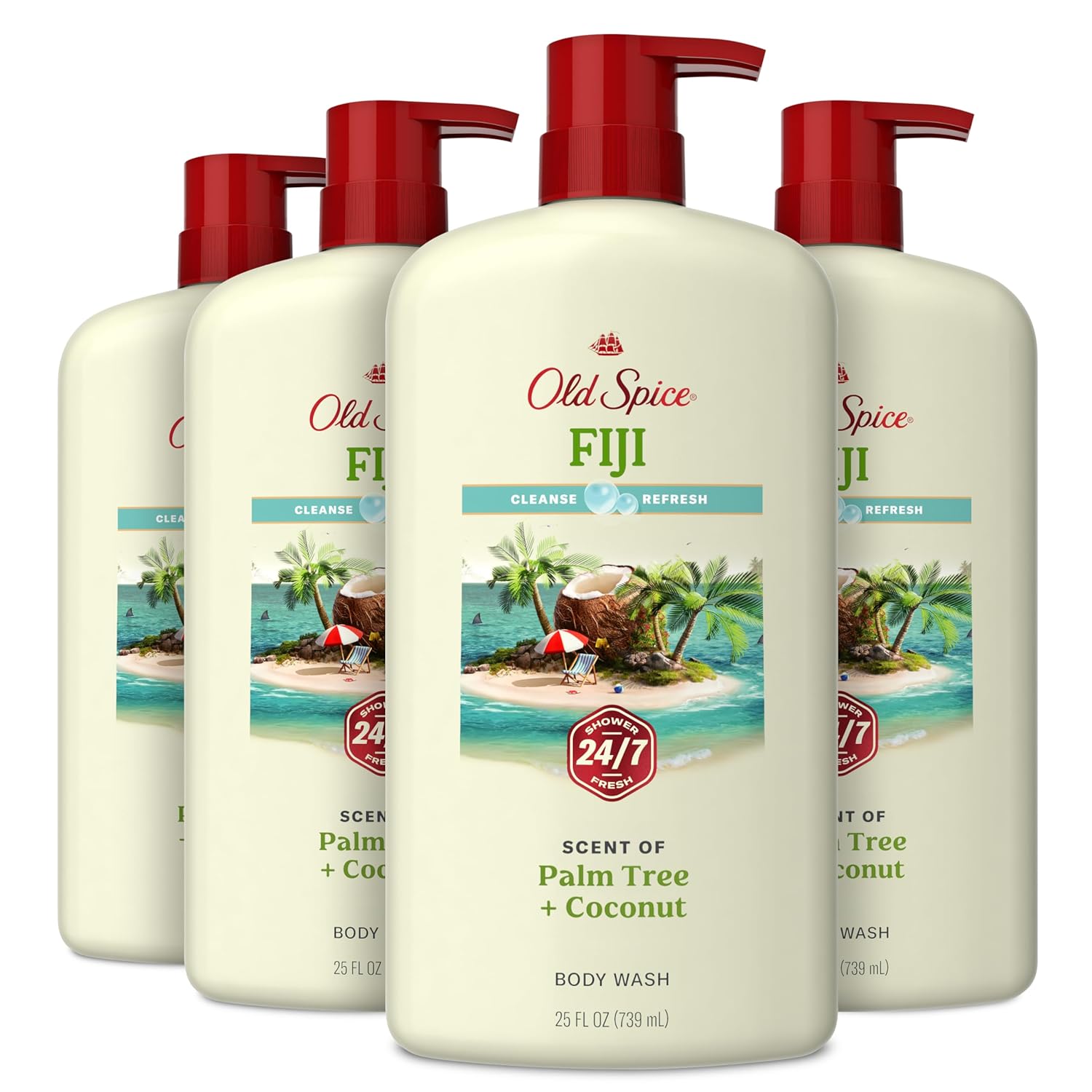
🚿 Old Spice Body Wash for Men – Fiji with Palm Tree & Coconut Scent (4-Pack, 25 oz)
🛒 Shop Now on AmazonThe Lessons Every Brand Should Learn
Five Principles for Brand Transformation
The Old Spice viral campaign offers a blueprint for brand transformation that applies far beyond men’s grooming products. Five principles emerge from studying what made this campaign successful.
First, know who actually buys your product. Old Spice discovered women purchase 60% of men’s body wash. This insight completely changed who they targeted and how they communicated. Many brands assume the user is the buyer. Understanding the actual purchase decision-maker is crucial.
Five Key Lessons:
- Know who actually buys your product: Women purchased 60% of men’s body wash
- Target couples-viewing environments: Media strategy targeted moments couples watch together
- Don’t just go viral, engage in real-time: Response Campaign sustained momentum
- Humor beats hard sell in low-involvement categories: Body wash is low-involvement purchase
- Risk current customers to gain new ones: Gaining millions of young customers justified trade-off
Second, target couples-viewing environments. The media strategy deliberately targeted moments when couples would watch together: after the Super Bowl, during primetime shows, on social media feeds. This created conversation between men and women about grooming choices.
Third, don’t just go viral, engage in real-time. The initial commercial went viral, but the Response Campaign sustained momentum by making the brand responsive and human. Brands that create viral content but don’t engage miss the opportunity to convert buzz into loyalty.
Why Bold Creative Risks Pay Off
Fourth, humor beats hard sell in low-involvement categories. Body wash is a low-involvement purchase. Nobody spends hours researching which body wash to buy. In these categories, being memorable and entertaining matters more than listing product benefits. The Old Spice viral campaign never explained why the body wash was good. It just made you remember the brand.
Fifth, sometimes you need to risk your current customers to gain new ones. Old Spice risked alienating older customers by rebranding for millennials. Some 65-year-old men probably stopped buying Old Spice. But the trade-off was worth it. Gaining millions of young customers who will buy for decades justified losing some aging customers.
The Cultural Impact That Outlasted The Campaign
From Ad to Cultural Phenomenon
The Old Spice viral campaign didn’t just sell body wash. It entered the cultural lexicon. “I’m on a horse” became a catchphrase. Isaiah Mustafa became “The Old Spice Guy,” recognized globally even by people who never bought the product. The campaign spawned countless parodies, tributes, and references across TV shows, movies, and other advertising.
Sesame Street created a parody called “Smell Like a Monster.” Saturday Night Live referenced it. Other brands attempted to copy the style, with varying success. The campaign proved that advertising could be entertainment people actively chose to watch and share, rather than something they tolerated or skipped.
Cultural Legacy:
- “I’m on a horse” became catchphrase
- Isaiah Mustafa became “The Old Spice Guy” globally
- Sesame Street parody: “Smell Like a Monster”
- Saturday Night Live referenced it
- Countless parodies, tributes, references across TV, movies, advertising
- Proved advertising could be entertainment people chose to watch
The Legacy Fifteen Years Later
In 2020, Old Spice celebrated the 10-year anniversary of the Old Spice viral campaign with new ads featuring Isaiah Mustafa and actor Keith Powers as his on-screen son. The spots poked fun at generational shifts in masculinity and grooming while maintaining the surreal humor that made the original iconic.
In 2025, Mustafa returned for Instacart’s Super Bowl commercial, proof that “The Old Spice Guy” remains culturally relevant 15 years after the original campaign. The character has staying power because it was never just about selling body wash. It was about creating an archetype, a cultural touchstone that transcended product marketing.
Sustained Relevance:
- 2020: 10-year anniversary ads with Mustafa and Keith Powers
- 2025: Mustafa in Instacart Super Bowl commercial (15 years later)
- Terry Crews brought different energy (over-the-top explosions, screaming intensity)
- Campaign became template for staying culturally relevant
- Bold, surprising, entertaining advertising maintained through 2010s
The Bottom Line
The Old Spice viral campaign “The Man Your Man Could Smell Like” will be studied for decades as one of advertising’s greatest comebacks. It generated 40 million YouTube views in 30 days, drove 125% sales growth within six months, and transformed Old Spice from a dying brand associated with grandfathers into the #1 men’s body wash in America.
Why This Succeeded:
- Discovered women buy 60% of men’s body wash (targeted actual customer)
- 43 words in one continuous take created mesmerizing experience
- Launched before Super Bowl, not during (smart media planning)
- 186 personalized responses pioneered real-time brand interaction
- Humor beat hard sell in low-involvement category
- Risked current customers to gain millions of young buyers
More importantly, it demonstrated that traditional brands could compete in the digital age by embracing viral marketing, social media engagement, and real-time brand interaction. The campaign succeeded because Wieden+Kennedy and Procter & Gamble understood something fundamental: the best way to sell men’s body wash isn’t to target men.
It’s to target the women who actually buy it, with creative so entertaining both genders want to watch and share it. The sales trajectory validated the strategy: $280M revenue in 2009 grew to over $1B by 2017. Market share increased from 3% to 6%. Brand awareness hit 77% in UK. By 2022, 23% of American deodorant users favored Old Spice.
Key Takeaways:
- 40M views in 30 days (most-watched YouTube video at the time)
- Response Campaign: 20M views in 72 hours, 2,700% Twitter follower increase
- Sales: 60% increase (May 2010), 125% increase (July 2010)
- Long-term: $280M → $1B+ revenue (2009-2017), 3% → 6% market share
- Awards: Cannes Grand Prix, Emmy, Effie Grand Effie, 100+ others
- Proved traditional brands could win in digital age through bold creativity
The Old Spice viral campaign didn’t just revive a brand. It created a case study in how to use creativity, digital strategy, and audience insight to achieve business results that exceed every expectation. Isaiah Mustafa ended up on a horse. Old Spice ended up on top of the category. And marketers everywhere learned that sometimes 43 words and a surreal sense of humor can save a brand that seemed destined to die.