When Margot Robbie appeared in Chanel’s latest campaign for N°5, something felt different. There was no scripted pitch, no obvious product placement, no celebrity explaining why you should buy the perfume. Just a two-minute film about missed connections on California highways, shot in 35mm, directed by an Oscar-nominated filmmaker, and set to Daft Punk.
It looked less like a fragrance ad and more like a scene from an indie romance you’d find at Sundance. That’s exactly the point. And it’s why Chanel’s approach to working with Margot Robbie represents one of the most sophisticated celebrity collaboration strategies in luxury marketing today.
Campaign Strategy:
- October 2024: “See You at 5” campaign launched
- 7-year partnership: Robbie with Chanel since March 2018
- Director: Luca Guadagnino (Call Me by Your Name, Challengers)
- Format: 2 minutes 20 seconds, shot entirely on 35mm film
- Co-star: Jacob Elordi (Saltburn, Euphoria)
- Soundtrack: Daft Punk’s “Veridis Quo”
- Chanel 2024 revenue: $18.7B (fragrance division showed resilience)
The film shows Margot texting Jacob “see you at 5,” they each drive to the other’s house, they miss each other, she ends up diving into the ocean in a red swimsuit. No product shots. No tagline. No call to action. Just desire, anticipation, and the power of what almost happens.
This is the Chanel way. And it’s why, 103 years after Coco Chanel first launched N°5, the fragrance remains the most iconic in the world.
The $19.7 Billion House That Refuses to Advertise
The Anti-Advertising Strategy
Chanel isn’t just selling perfume. The French luxury house reported revenues of $19.7 billion in 2023, with fragrance and beauty as one of its strongest performing divisions. N°5 alone has been called the world’s most iconic fragrance since its 1921 launch by Coco Chanel and perfumer Ernest Beaux.
But here’s what separates Chanel from every other luxury brand fighting for attention on Instagram: they don’t act desperate for it. While competitors pump millions into influencer partnerships and viral marketing stunts, Chanel takes a different route. They create films that people want to watch, commission artists not ad agencies, build narratives that feel authentic, and trust audiences to discover meaning on their own.
Chanel’s Business Position:
- 2023 revenue: $19.7B
- 2024 revenue: $18.7B (4.3% decline due to market challenges)
- Brand value: Approximately $53B
- Fragrance division: Strong demand especially in travel retail
- Marketing spend 2024: $2.4B (maintained despite revenue decline)
- Philosophy: Long-term brand building over quarterly sales
Cultural Capital Over Quarterly Sales
The numbers back this strategy. Despite 2024’s challenging luxury market that saw Chanel’s revenues dip 4.3% to $18.7 billion, the brand maintained its position as one of the world’s most valuable luxury houses with a brand value of approximately $53 billion. Their fragrance division saw strong demand, particularly in travel retail, even as other luxury categories struggled.
This isn’t accidental. It’s a deliberate strategy that treats marketing as brand building rather than direct sales. When most brands are fighting for clicks and conversions, Chanel is playing a completely different game. They’re building cultural capital that compounds over decades, not quarterly sales that spike and fade.
Why Margot Robbie Was Always the Perfect Choice
Seven Years to the Pinnacle
Margot Robbie didn’t just become Chanel’s N°5 ambassador in 2024. She’s been part of the Chanel family since March 2018, working her way through campaigns for Coco Neige, Gabrielle Essence, and Rouge Allure Velvet Nuit Blanche. This wasn’t a celebrity hire. It was a seven-year relationship that culminated in her taking over the most prestigious role in fragrance advertising.
The Australian actress took over from Marion Cotillard, who held the position since 2020, joining a lineage of legendary women who’ve represented N°5: Catherine Deneuve (1970s French elegance), Nicole Kidman (Baz Luhrmann’s epic 2004 film), Gisele Bündchen (supermodel glamour 2014), Marion Cotillard (modern French cinema 2020-2024), and forever Marilyn Monroe through her iconic 1952 quote.
Robbie’s Journey to N°5:
- 2018: Announced as Chanel ambassador, starred in Coco Neige campaign
- 2019-2020: Featured in Gabrielle Essence fragrance campaigns
- 2022: Face of Rouge Allure Velvet Nuit Blanche lipstick line
- 2023: Multiple red carpet appearances in Chanel haute couture
- 2024: Appointed face of N°5 (the pinnacle of fragrance ambassadorship)
More Than a Celebrity Endorsement
But Robbie brings something different to the table. At 34, she’s a producer with her own company, LuckyChap Entertainment, behind hits like Barbie (eight Oscar nominations, global cultural phenomenon), Saltburn, Promising Young Woman, and the critically acclaimed series Maid. She’s not just a face. She’s a creator, a businesswoman, and someone who understands brand building from the inside.
Chanel’s statement about her appointment was telling: “An Academy Award nominated actress and a visionary producer, Margot Robbie is a woman who has decided to create the conditions for her own accomplishments, always with the desire to tell stories carried by strong female figures in mind.”
Why Robbie Was Perfect:
- Producer with own company (LuckyChap Entertainment)
- Barbie: 8 Oscar nominations, cultural phenomenon
- Understands narrative power, authenticity, brand building
- Not just face, but peer who understood storytelling
- By 2024: Wasn’t celebrity endorser, was synonymous with Chanel
- Countless red carpet appearances in Chanel haute couture
The Campaign That Broke Every Advertising Rule
Hiring a Filmmaker, Not an Ad Director
The “See You at 5” campaign, released in October 2024, is everything a traditional fragrance ad isn’t. Instead of hiring a commercial director, Chanel brought in Luca Guadagnino, the Italian filmmaker behind Call Me by Your Name, Challengers, and A Bigger Splash. His signature style (intimate, sensual, focused on texture and unspoken desire) has earned him critical acclaim.
Thomas du Pré de Saint Maur, Chanel’s director of creative resources for fragrance, beauty, watches, and jewelry, explained the vision: “I needed someone who could tell the story of the untold in a very sensitive way.” Guadagnino’s meticulous approach to crafting visuals and emotions became the foundation for the entire campaign.
Campaign Specifications:
- Format: Shot entirely on 35mm film (captures skin texture, intimacy)
- Length: 2 minutes 20 seconds (longest N°5 ad in history)
- Stars: Margot Robbie and Jacob Elordi (Saltburn, Euphoria)
- Location: California’s Big Sur coastline
- Soundtrack: Daft Punk’s “Veridis Quo”
- Director: Luca Guadagnino (Oscar-nominated filmmaker)
What Makes It Different
The plot? Margot texts Jacob saying “see you at 5.” They each drive to the other’s house. They miss each other. She ends up diving into the ocean in a red swimsuit, a direct homage to Carole Bouquet’s iconic 1986 campaign directed by Ridley Scott. No product shots. No tagline. No call to action. Just desire, anticipation, and the power of what almost happens.
Saint Maur described it as “like a book with an empty page at the end that you can choose to fill up.” The message: let people create their own interpretation. This wasn’t about telling viewers what to think or feel. It was about creating space for them to discover their own emotional response.
Breaking Every Rule:
- No product shots shown
- No tagline or call to action
- No celebrity explaining why to buy
- Open ending intentionally ambiguous
- Trust audience to discover meaning
- Film looks like indie romance, not commercial

✨ Chanel No. 5 Eau De Parfum Spray for Women – 3.4 Ounce Iconic Fragrance
🛒 Shop Now on AmazonThe Psychology Behind the Non-Ad
Narrative Transportation
Traditional fragrance advertising follows a formula. Spray bottle. Beautiful person. Aspirational setting. Voice-over about what the scent represents. Call to action. Chanel does the opposite because they understand something crucial about luxury consumers: they don’t want to be sold to. They want to be part of something.
The See You at 5 campaign works because it trusts the audience. It doesn’t explain. It doesn’t persuade. It creates a mood, a feeling, a world you want to step into. The perfume becomes incidental, almost secondary to the experience. This approach taps into what behavioral psychologists call “narrative transportation.” When people become so absorbed in a story that they stop analyzing it as marketing.
Consumer Psychology:
- Narrative ads create stronger emotional connections than direct persuasion
- Particularly effective among high-income consumers skeptical of traditional ads
- McKinsey data: 67% luxury buyers prioritize “meaningful experiences” over status display
- Margot on N°5 woman: “Seductive, powerful, independent, knows what she wants”
- Notice what’s missing: Any mention of actual fragrance
Research shows that narrative ads create stronger emotional connections than direct persuasion, particularly among high-income consumers who are skeptical of traditional advertising. Margot Robbie herself captured this: “She’s seductive, powerful, independent, she knows what she wants. The woman who wears N°5 has a quiet confidence, an innate elegance.”
Notice what’s missing: any mention of the actual fragrance. She’s selling a feeling, an identity, a version of yourself you could become. They’re not in the perfume business. They’re in the aspiration business.
The Red Suit That Said Everything Without Words
Visual Language Across Decades
One detail from the campaign deserves special attention: the red Chanel tweed suit Margot Robbie wears throughout the film. Chanel’s Fashion Creation Studio designed this bespoke piece specifically for the campaign, but it wasn’t arbitrary. Red has been the defining color code for N°5 advertising since the 1980s, appearing in every major campaign as a visual thread connecting past and present.
When Carole Bouquet wore a red suit in Ridley Scott’s 1986 “Monuments” campaign, it became iconic. By putting Robbie in a modern interpretation of that same look, Chanel created a visual conversation between generations without saying a word. The suit appears again when she dives into the ocean. Red swimsuit, red suit draped nearby.
The Red Suit Strategy:
- Red: Defining color code for N°5 since 1980s
- Carole Bouquet: Red suit in Ridley Scott’s 1986 “Monuments” campaign
- Robbie: Modern interpretation of same iconic look
- Creates visual conversation between generations
- Rewards brand loyalists while remaining accessible to newcomers
- Cultural capital: Symbols gaining meaning over time
This layered approach rewards brand loyalists while remaining accessible to newcomers. Fashion analyst Thomaï Serdari noted that heritage luxury brands succeed by creating “cultural capital.” Symbols and references that gain meaning over time. The red suit isn’t just clothing. It’s Chanel’s visual language, spoken fluently across decades.
Why This Approach Costs More But Delivers More
The Investment Breakdown
Let’s talk numbers. Chanel doesn’t disclose individual campaign budgets, but industry estimates put luxury fragrance film campaigns at $5-15 million when you include production, talent, media buying, and global distribution. This campaign wasn’t cheap: Oscar-nominated director, 35mm film production (significantly more expensive than digital), A-list talent, premium locations, music licensing, and global media distribution.
But the return isn’t measured in immediate sales. It’s measured in brand equity. While Chanel’s overall 2024 revenues declined 4.3% (largely due to fashion category challenges), their fragrance and beauty division showed resilience. CEO Leena Nair specifically highlighted the N°5 campaign featuring Margot Robbie as a driver of sustained fragrance growth despite market challenges.
Investment vs Return:
- Campaign estimate: $5-15M (production, talent, distribution)
- Oscar-nominated director (Luca Guadagnino)
- 35mm film production (more expensive than digital)
- Return measured in brand equity, not immediate sales
- CEO Leena Nair: N°5 campaign drove sustained fragrance growth
- Marketing spend 2024: $2.4B maintained despite revenue decline
The Earned Media Advantage
More importantly, the campaign generated massive earned media value. Luxury marketing firm Tribe Dynamics found that well-executed celebrity fragrance campaigns could generate $2-3 million in earned media value from organic social conversation, press coverage, and influencer engagement, often exceeding the paid media spend.
The See You at 5 campaign trended across TikTok, dominated fragrance industry publications, appeared in mainstream media from ABC News to Bloomberg, and sparked thousands of social media posts analyzing the cinematography, the chemistry between Robbie and Elordi, and the Daft Punk soundtrack choice.
Earned Media Impact:
- Earned media value: $2-3M from organic conversation (often exceeds paid spend)
- Trended across TikTok
- Dominated fragrance industry publications
- ABC News to Bloomberg coverage
- Thousands analyzing cinematography, chemistry, soundtrack
- Can’t buy engagement, must earn it by creating something worth discussing
The Long Game: Seven Years to an Icon
Building Authenticity Over Time
Here’s what most brands get wrong about celebrity partnerships: they want instant impact. Sign a celebrity, launch a campaign, measure the ROI, move on. Chanel played a seven-year game with Margot Robbie. By the time Robbie took on N°5, she wasn’t a celebrity endorser. She was synonymous with Chanel.
This matters because consumer psychology research shows that perceived authenticity drives luxury purchase intent more than any other factor. When people believe a celebrity genuinely uses and loves a product, purchase intent jumps 78% compared to partnerships that feel commercial. Robbie’s long history with Chanel created that authenticity.
The Patience Advantage:
- 7 years from first campaign to N°5 ambassadorship
- By 2024: Wasn’t endorser, was synonymous with Chanel
- Fashion insiders: Countless red carpet Chanel appearances
- Consumer psychology: Authenticity drives luxury purchase intent 78% more than commercial partnerships
- When Robbie said “I’ve always known about Chanel No.5,” it felt true
- Chanel privately held: Can play long game vs quarterly earnings pressure
The patience required for this approach is exactly why most brands can’t replicate it. They’re answering to quarterly earnings calls and immediate ROI demands. Chanel, as a privately held company owned by the Wertheimer family, can play the long game. And that long game is what creates iconic campaigns that people remember decades later.
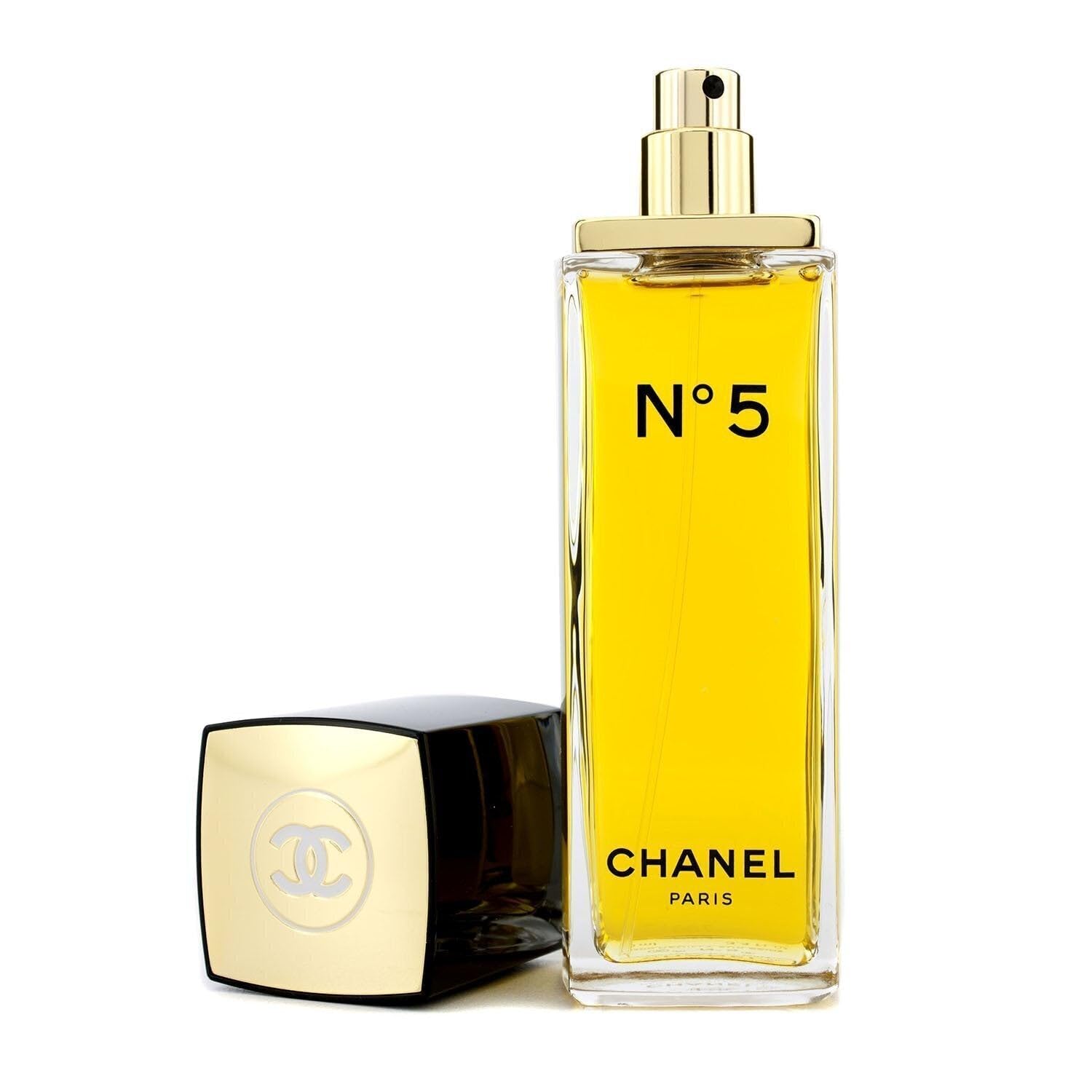
💎 CHANEL No. 5 Eau De Toilette Spray – 3.4 Ounce Classic Luxury Perfume
🛒 Shop Now on AmazonWhat the Competition Can’t Copy
The Philosophy Gap
Dior tried to recreate this magic with Rihanna and J’adore. The campaign was stunning, shot by Steven Klein, featuring Rihanna in a gold-drenched palace setting that screamed luxury and power. It looked exactly like what it was: a high-budget advertisement. The difference isn’t quality. It’s philosophy.
Dior’s campaign told you Rihanna represents J’adore. Chanel’s campaign invited you into Margot Robbie’s world and let you discover N°5 inside it. This distinction matters more than ever in 2024’s challenging luxury market. According to McKinsey’s luxury consumer survey, 67% of luxury buyers now prioritize brands that create “meaningful experiences” over those that simply display status.
Why Others Can’t Replicate:
- Dior-Rihanna J’adore: High-budget ad that looked like ad
- Difference isn’t quality, it’s philosophy
- Dior told you Rihanna represents J’adore
- Chanel invited you into Robbie’s world, let you discover N°5
- McKinsey: 67% luxury buyers prioritize meaningful experiences over status
- Shift from showing to feeling, selling to inviting
The Future of Luxury Celebrity Collaborations
Five Principles That Made It Work
The See You at 5 campaign represents a blueprint that luxury brands will study for years. First, invest in relationships, not transactions. Chanel’s seven-year partnership with Robbie created equity that a one-off celebrity contract never could. Second, hire artists, not advertisers. Guadagnino brought filmmaking credibility that elevated the campaign beyond commercial content.
Third, trust your audience. The open ending, the lack of explanation, the refusal to spell everything out respected viewers’ intelligence. Fourth, build cultural capital. The red suit callback, the 35mm film grain, the Daft Punk soundtrack added layers of meaning. Fifth, measure success in conversation, not just conversion. The viral discussions created brand value that compounds over time.
Five Key Principles:
- Invest in relationships, not transactions: 7-year partnership created authentic equity
- Hire artists, not advertisers: Guadagnino’s filmmaking credibility elevated beyond commercial
- Trust your audience: Open ending respected intelligence, invited participation
- Build cultural capital: Red suit, 35mm, Daft Punk added layers rewarding attention
- Measure conversation, not just conversion: Earned media exceeded paid media value
The Numbers Behind the Magic
The Business Reality
Let’s ground this in business reality. Chanel’s fragrance and beauty division contributed significantly to their $18.7 billion in 2024 revenue despite overall market challenges. While specific N°5 sales aren’t disclosed, industry analysts estimate the fragrance line generates over $1 billion annually across its five interpretations.
The brand maintained marketing expenditure at $2.4 billion in 2024 even as revenues declined, demonstrating their commitment to long-term brand building over short-term cost cutting. CFO Philippe Blondiaux emphasized this philosophy: “While increasing investment by over 40% to $1.8 billion had a direct impact on profitability, at Chanel we take a long-term view in everything we do.”
N°5 Collection (Estimated $1B+ Annually):
- N°5 Parfum (1921): Original formula by Ernest Beaux
- N°5 Eau de Toilette (1924): Lighter interpretation
- N°5 Eau de Parfum (1986): Reinterpreted by Jacques Polge
- N°5 Eau Premiere (2008): Softer, modern version
- N°5 L’Eau (2016): Freshest interpretation by Olivier Polge
That long-term view is exactly what allows campaigns like See You at 5 to exist. When you’re not chasing quarterly metrics, you can create art that builds equity over years, not sales in days. This is the luxury of being privately held. This is the advantage of thinking in decades, not fiscal quarters.
The Bottom Line
Chanel’s Margot Robbie collaboration will be studied for decades as a masterclass in luxury celebrity partnerships that transcend traditional advertising. The October 2024 “See You at 5” campaign broke every fragrance ad rule by hiring Oscar-nominated filmmaker Luca Guadagnino to create a 2-minute 20-second film shot on 35mm with no product shots, no taglines, and no call to action.
Why This Matters:
- 7-year relationship (2018-2024) created authentic equity
- Luca Guadagnino direction elevated to cinema
- 35mm film, Daft Punk soundtrack, California Big Sur location
- Red suit callback to 1986 Carole Bouquet campaign
- Earned media value exceeded paid media spend
- CEO confirmed campaign drove sustained fragrance growth
The campaign works because it was built on seven years of relationship building. Robbie wasn’t just hired in 2024, she’d been with Chanel since 2018, appearing in Coco Neige, Gabrielle Essence, and Rouge Allure campaigns. By the time she took on N°5, the relationship felt authentic because it was. Consumer psychology research shows perceived authenticity drives luxury purchase intent 78% more than commercial partnerships.
The business results validated the strategy. While Chanel’s overall 2024 revenues declined 4.3% to $18.7 billion due to market challenges, the fragrance division showed resilience. CEO Leena Nair specifically credited the N°5 campaign featuring Margot Robbie as a driver of sustained growth. The brand maintained $2.4 billion marketing spend despite revenue decline, demonstrating commitment to long-term brand building.
Key Takeaways:
- Don’t sell, invite into world where product makes sense
- 7-year partnerships create authenticity one-off deals can’t match
- Hire artists who bring filmmaking credibility beyond commercial content
- Trust audience intelligence with open endings and narrative ambiguity
- Build cultural capital through layered symbolism (red suit callback)
- Measure success in conversation (earned media) not just conversion
The five principles that made it work apply beyond luxury: invest in relationships not transactions, hire artists not advertisers, trust your audience, build cultural capital, and measure conversation not just conversion. These aren’t tactics requiring Chanel’s budget. They’re insights about creating marketing people actually want to engage with.
Chanel proved you can create fragrance advertising that people actively choose to watch, analyze, and share. Not because they’re paid to, but because they want to be part of the story. That’s the real genius. It never looked like an ad because it was never meant to be one. It was designed to be everything else: a film, an experience, a feeling about desire and anticipation.
The perfume? That’s just what you wear to recreate the feeling later. And that might be the most brilliant marketing strategy of all. Selling not the product, but the world the product makes possible.