In 1884, Dr. S.K. Burman, an Ayurvedic physician, started making medicines in a small room in Kolkata, selling them directly to patients seeking natural remedies. He named his venture Dabur (Daktar Burman), never imagining it would become India’s largest Ayurvedic and natural healthcare company generating Rs 12,000+ crore annually. While British colonial medicine dominated India and Western pharmaceuticals seemed like the future, Dr. Burman believed Ayurvedic formulations had value if made accessible, consistent, and trustworthy. This conviction would build an empire that made traditional Indian remedies household essentials.
Today, Dabur Ayurveda FMCG operates in 100+ countries with 250+ products ranging from healthcare and personal care to foods and home care. The company’s success came from reinventing Ayurveda for modern India: mass-producing traditional formulations with consistent quality, packaging ancient remedies in convenient forms, pricing products affordably for middle-class families, and marketing Ayurvedic benefits in contemporary language. Dabur Chyawanprash holds 60%+ market share, Dabur Honey dominates honey category, Dabur Red toothpaste competes with multinational giants, and products like Pudin Hara (digestive) and Lal Tail (baby oil) have become generic terms for their categories.
From Traditional Remedies to Mass FMCG Products
Dabur Ayurveda FMCG transformed personalized traditional remedies into standardized mass-market products. Traditional Ayurvedic medicine involved vaidyas (practitioners) preparing custom formulations for individual patients based on their doshas and conditions. This personalization was Ayurveda’s strength but also limitation preventing scale. Dabur standardized formulations that worked for broad population segments, sacrificing customization for consistency and affordability that mass production enabled.
Dabur Chyawanprash exemplifies this approach. Chyawanprash, an ancient Ayurvedic immunity booster made from amla (Indian gooseberry), herbs, and spices, was traditionally prepared at home or by local vaidyas with varying quality and taste. Dabur standardized the formulation, ensured consistent taste and efficacy, packaged it in convenient jars, and marketed it as daily health supplement for families.
The product innovation strategy:
- 1884: Dr. S.K. Burman started making medicines in Kolkata
- Named venture Dabur (Daktar Burman)
- Standardized Ayurvedic formulations for mass production
- Sacrificed customization for consistency and affordability
- Dabur Chyawanprash: Rs 500+ crore annually
- 60%+ market share as India’s leading immunity booster
- Found in millions of households consumed by generations
- Traditional vaidya preparation transformed to convenient jars
- Consistent taste and efficacy vs. varying quality
Dabur Honey represents entering adjacent categories using Ayurvedic brand equity. While honey isn’t exclusively Ayurvedic, it features prominently in Ayurvedic formulations. Dabur positioned its honey as pure and natural, leveraging trust built through Ayurvedic products. Today, Dabur Honey is India’s #1 honey brand, showing how Ayurvedic credibility extends to natural food products when quality and trust are maintained.
The Burman Family Legacy
The Burman family retained controlling stake in Dabur through five generations, maintaining long-term vision that public companies often lack. This family ownership enabled decisions prioritizing brand equity and quality over quarterly profits, critical for maintaining Ayurvedic authenticity while scaling commercially. The family’s commitment to Ayurveda and Dr. Burman’s legacy provided cultural continuity that employees and consumers trust.
Competitive positioning:
- Dabur Red Toothpaste: Ayurvedic ingredients (clove, mint, neem)
- Competed in categories dominated by Colgate and Pepsodent
- Traditional ingredients with modern formats (toothpaste tubes vs. tooth powder)
- Captured significant oral care market share
- Proved Ayurveda adapted for convenience could challenge multinationals
- Dabur Ayurveda FMCG positioning in core FMCG categories
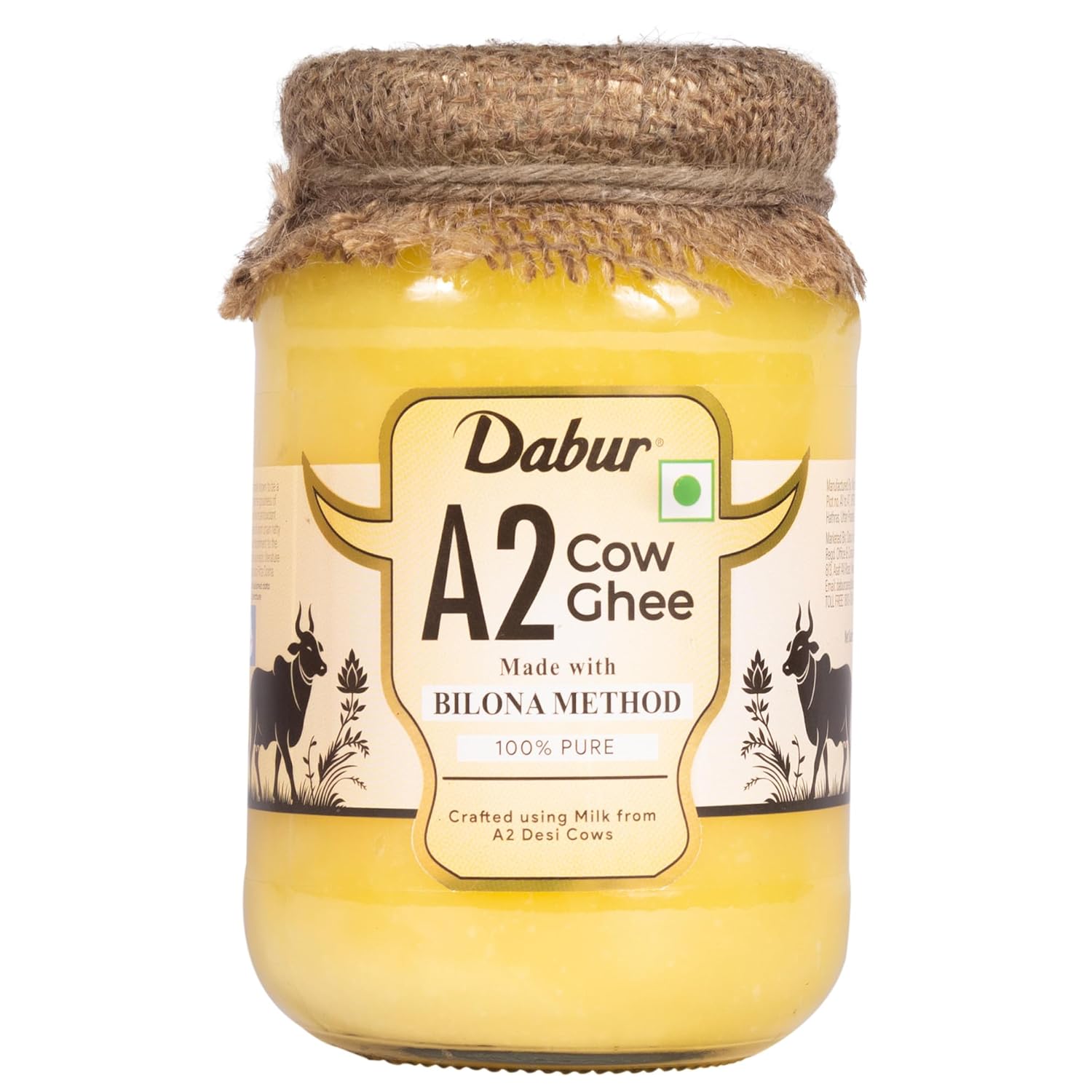
Dabur A2 Cow Ghee – 500ml | Rich in Vitamin A & Antioxidants | Made with Bilona Method | 100% Pure
🛒 Shop Now on AmazonMass Distribution: Reaching Every Indian Household
Dabur Ayurveda FMCG made products available everywhere Indians shop. The company built distribution network reaching 6+ million retail outlets from urban supermarkets to rural kirana stores, ensuring that whether in Mumbai high-rise or Bihar village, consumers could buy Dabur products. This omnipresence was crucial because Ayurvedic remedies work best when used regularly, and availability drives consumption.
Distribution network strategy:
- 6+ million retail outlets reached
- Urban supermarkets to rural kirana stores
- Mumbai high-rises to Bihar villages
- Availability driving regular consumption
- Understanding India’s fragmented retail landscape
- Millions of small independent kirana stores
- Invested in distributor networks, sales teams, logistics
- Higher distribution costs for unmatched market penetration
- Impulse purchases at neighborhood stores vs. specialty health stores
The distribution strategy required understanding India’s fragmented retail landscape. Unlike Western markets dominated by supermarket chains, India had millions of small independent retailers (kirana stores) each serving local neighborhoods. Dabur invested in distributor networks, sales teams, and logistics covering this fragmented market, accepting higher distribution costs for market penetration competitors couldn’t match.
Rural Penetration
Dabur also pioneered rural distribution, recognizing that tier 2/3 cities and villages represented huge untapped markets. The company used innovative distribution methods like mobile vans visiting villages and training local entrepreneurs as micro-distributors. This rural penetration differentiated Dabur from multinationals focused on urban markets, giving Dabur sustainable competitive advantage in India’s vast hinterland where Ayurvedic knowledge was already familiar and trusted.
Omnichannel approach:
- E-commerce: Amazon, Flipkart, Dabur website
- Traditional retail for older consumers and rural markets
- COVID-19: online sales surged for immunity products
- Chyawanprash and Honey home delivery demand
- Early e-commerce investments capturing demand shift
- Maintaining physical retail presence
The pricing accessibility:
- Products range: Rs 20-50 (small packs) to Rs 200-300 (jars, oils)
- Positioned Ayurveda as accessible wellness vs. premium luxury
- Democratic pricing revolutionary: lower-middle-class affordability
- Regular purchases vs. special occasions
- Volume from mass pricing exceeding premium positioning
- Price-sensitive Indian market strategy
Marketing Ayurveda to Modern Indians
Dabur Ayurveda FMCG marketed ancient remedies in contemporary language emphasizing benefits modern Indians cared about: immunity, digestion, hair health, skin wellness. The advertising avoided traditional vaidya imagery and Sanskrit terminology that urban consumers found outdated, instead showing families using products as part of modern lifestyles. This repositioning made Ayurveda feel relevant and progressive rather than regressive tradition.
Marketing modernization strategy:
- Contemporary language: immunity, digestion, hair health, skin wellness
- Avoided traditional vaidya imagery and Sanskrit terminology
- Urban consumers finding traditional messaging outdated
- Families using products in modern lifestyles
- Positioned Ayurveda as relevant and progressive
- Celebrity endorsements: Bollywood stars and cricketers
- Positioned as choice of successful modern Indians
- Aspirational for younger demographics vs. elderly traditional consumers
Celebrity endorsements featuring Bollywood stars and cricketers using Dabur products positioned Ayurveda as choice of successful, modern Indians rather than just elderly or traditional consumers. These endorsements modernized Ayurveda’s image, making it aspirational for younger demographics who might otherwise prefer Western brands.
Scientific Validation
Scientific validation through clinical studies and certifications addressed skepticism about Ayurvedic efficacy. Dabur invested in research demonstrating products’ benefits through modern scientific methods, publishing studies in medical journals and obtaining certifications from regulatory bodies. This scientific backing made Ayurveda credible to educated urban consumers who trusted data over tradition alone.
Digital marketing targeting:
- Millennials and Gen Z through social media
- Influencer partnerships and content marketing
- Introduced Ayurveda to Western wellness-familiar generations
- Positioned ingredients as superfoods and adaptogens
- Turmeric, amla, ashwagandha using global wellness terminology
- Traditional Indian knowledge feeling contemporary and globally relevant
The COVID-19 immunity surge:
- Dabur Ayurveda FMCG business exploded during pandemic
- Indians seeking immunity-boosting products
- Chyawanprash sales grew 50%+
- Honey sales doubled
- Herbal supplements unprecedented demand
- Validated Ayurveda’s preventive health philosophy
- Decades of trust building invaluable during crisis
- Competitors entered but couldn’t match established credibility

DABUR Honey Sundarbans-500Gm: 100% Pure Wild Forest Honey | Raw, Unprocessed | World’s No.1 Honey Brand – 1Kg
🛒 Shop Now on AmazonExpanding Beyond Traditional Ayurveda
Dabur Ayurveda FMCG expanded into adjacent categories where natural positioning provided advantages. The company entered foods (Real fruit juices, Homemade cooking pastes), home care (Odomos mosquito repellent), and personal care (Vatika shampoos) leveraging “natural” positioning even when products weren’t strictly Ayurvedic. This diversification built a balanced FMCG portfolio reducing dependence on healthcare products alone.
Category expansion:
- Real Fruit Juices: India’s leading juice brand
- Positioned as natural alternative to artificial beverages
- Rs 1,500+ crore annually
- Benefited from Dabur’s natural and healthy associations
- Vatika Hair Care: Ayurvedic ingredients (amla, henna, almond)
- Modern hair care formats (shampoos, conditioners)
- Competed against L’Oreal and Unilever brands
- Significant India and Middle East market share
- Rs 500+ crore revenue
- Odomos mosquito repellent: natural positioning advantage
Real Fruit Juices became India’s leading juice brand by positioning as natural alternative to artificial beverages. While not Ayurvedic, Real benefited from Dabur’s natural and healthy brand associations. The juice business generates Rs 1,500+ crore annually, showing how Ayurvedic brand equity extends to broader natural products category.
International Expansion
International Expansion took Dabur’s Ayurvedic and natural products to 100+ countries, particularly successful in Middle East, Africa, and Asian markets where natural remedies and Indian diaspora provided built-in demand. This global presence validates that Ayurveda isn’t just Indian tradition but globally relevant wellness philosophy when marketed properly.
Global operations:
- 100+ countries operating
- 250+ products across healthcare, personal care, foods, home care
- Middle East, Africa, Asian markets particularly successful
- Natural remedies and Indian diaspora built-in demand
- Validates Ayurveda as globally relevant wellness philosophy
- Proper marketing transforming traditional knowledge
The Bottom Line
Dabur Ayurveda FMCG recognized that ancient wisdom needed modern execution to thrive commercially. The company standardized traditional formulations for mass production, distributed them through millions of retail outlets, priced them affordably for middle-class families, and marketed them in contemporary language emphasizing benefits modern consumers valued. This transformation made Ayurveda from niche alternative medicine into mainstream wellness choice found in 90%+ Indian households.
The Ayurveda empire achievement:
- Annual revenue: Rs 12,000+ crore
- India’s largest Ayurvedic and natural healthcare company
- 100+ countries operating
- 250+ products across categories
- 6+ million retail outlets distribution
- 90%+ Indian households penetration
- Founded 1884 by Dr. S.K. Burman in Kolkata
The Dabur Ayurveda FMCG pillars:
- Mass production: standardized traditional formulations
- Consistent quality and affordability vs. personalized vaidya preparations
- Dabur Chyawanprash: 60%+ market share, Rs 500+ crore annually
- Dabur Honey: India’s #1 honey brand
- Dabur Red Toothpaste: competing with Colgate and Pepsodent
- Pudin Hara and Lal Tail: generic terms for categories
- Distribution: 6+ million retail outlets urban to rural
- Rural penetration: mobile vans, micro-distributors in tier 2/3 cities
Key lessons from Dabur:
- Traditional knowledge can generate sustainable competitive advantages
- When adapted for modern markets
- Democratized access serving millions vs. thousands
- Volume strategy: lower margins per unit, higher revenues
- Social impact exceeding premium positioning
- Balance between authenticity and innovation
- Honor heritage while embracing modernity
- Too traditional risks irrelevance, too modern loses credibility
What enabled the transformation:
- 1884: Dr. S.K. Burman making medicines in Kolkata room
- British colonial medicine dominating, Western pharmaceuticals seeming future
- Belief Ayurvedic formulations had value if accessible, consistent, trustworthy
- Burman family controlling stake through five generations
- Long-term vision prioritizing brand equity and quality over quarterly profits
- Cultural continuity from Dr. Burman’s legacy
- Pricing: Rs 20-50 small packs to Rs 200-300 jars and oils
- Mass markets affordability vs. Forest Essentials premium luxury
Marketing modernization:
- Contemporary language: immunity, digestion, hair health, skin wellness
- Celebrity endorsements: Bollywood stars, cricketers
- Scientific validation: clinical studies, medical journals, certifications
- Digital marketing: millennials, Gen Z, social media, influencers
- Turmeric, amla, ashwagandha positioned as superfoods and adaptogens
- COVID-19 surge: 50%+ Chyawanprash growth, doubled Honey sales
- Preventive health philosophy validated during crisis
Category expansion success:
- Real Fruit Juices: Rs 1,500+ crore annually, India’s leading brand
- Vatika Hair Care: Rs 500+ crore revenue, India and Middle East
- Odomos, Homemade cooking pastes leveraging natural positioning
- Balanced FMCG portfolio reducing healthcare dependence
- International: 100+ countries particularly Middle East, Africa, Asia
- Natural remedies and Indian diaspora demand
The Rs 12,000+ crore business Dabur built demonstrates that traditional knowledge can generate sustainable competitive advantages when adapted for modern markets. Unlike luxury Ayurveda brands targeting elite consumers, Dabur democratized access, believing that Ayurveda’s greatest value came from serving millions rather than thousands. This volume strategy required accepting lower margins per unit but generated revenues and social impact exceeding premium positioning could achieve.
For Indian businesses, Dabur’s story offers lessons about honoring heritage while embracing modernity. The company never abandoned Ayurvedic principles but adapted their presentation and delivery for contemporary lifestyles. This balance between authenticity and innovation is difficult, too traditional risks irrelevance, too modern loses credibility, but when executed well, creates brands that endure generations because they serve both cultural continuity and changing needs.
Dabur proved that India’s traditional knowledge systems aren’t relics to be preserved in museums but living wisdom that can build 21st-century businesses when entrepreneurs combine respect for tradition with willingness to reinvent delivery, positioning, and marketing for audiences whose lives differ vastly from ancestors who created these traditions. That reinvention, honoring roots while embracing change, made Dabur not just successful FMCG company but ambassador for Ayurveda showing that ancient Indian wisdom, properly presented, remains relevant and valuable in modern world.